5 Benefits of Expert Excavating Services
Excavating services play an essential role in construction and land development projects by supporting the early stages of site preparation. From preparing land for building to supporting utility installation and drainage, excavation helps create stable, functional sites. According to IBISWorld, the excavation contractor market size in the U.S. was $141.8 billion in 2024 alone.
Because excavation often serves as the first phase of a project, the quality of this work can influence how smoothly later stages progress. Proper site preparation helps establish a workable foundation for construction, utilities, and surface improvements. Thoughtful excavation practices also help set realistic expectations for scheduling and coordination throughout the project lifecycle.
1. Improve Project Efficiency Through Coordinated Excavation
Use Purpose-Built Excavation Equipment
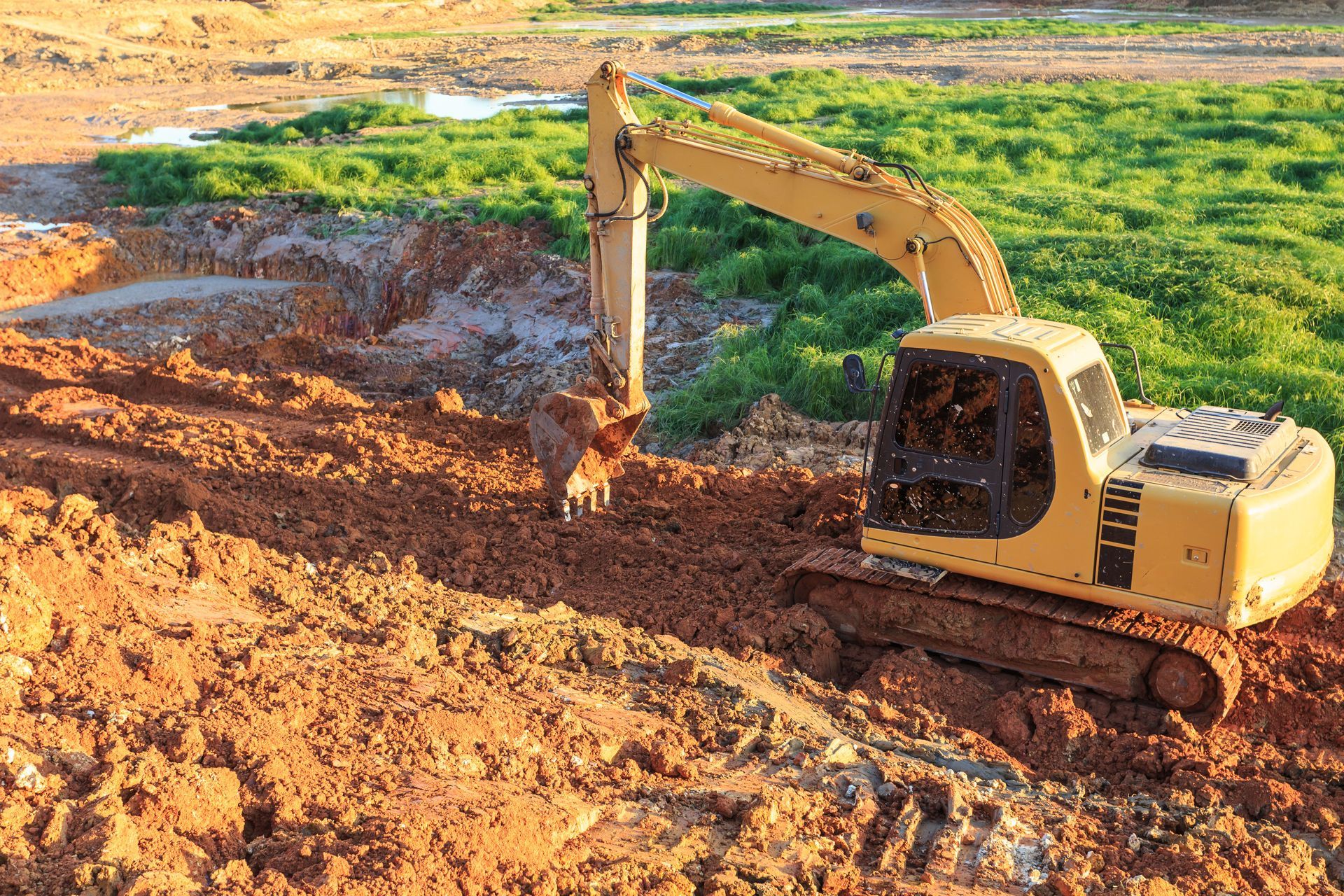
Professional excavating services rely on equipment designed specifically for earthmoving, grading, and trenching tasks. Using machinery suited to each phase of a project allows work to progress efficiently while supporting consistent results across different site conditions. Proper equipment selection helps streamline workflows and reduce unnecessary delays across active job sites.
Different excavation tasks often require different tools depending on soil type, site access, and project scope. Matching equipment to the work being performed can help maintain steady progress and reduce interruptions caused by repositioning or adjustments. This approach supports a smoother overall excavation process from start to finish.
Apply Skilled Equipment Operation Techniques
Excavation projects benefit from operators who understand how to work with varying soil conditions, site layouts, and access limitations. Experience in handling excavation equipment contributes to smoother operations and helps minimize interruptions during site development. Familiarity with grading and trenching requirements also supports accurate execution across multiple phases.
Experienced operators are often better equipped to adapt to changing site conditions as work progresses. This awareness can help maintain consistency across different phases of excavation, particularly when transitioning between clearing, grading, and trenching tasks. A steady, methodical approach supports efficiency without rushing critical steps.
Align Excavation With Project Scheduling
Effective excavation involves coordination with other stages of construction and land development. Planning excavation activities around site access, material handling, and sequencing helps ensure the work supports future construction phases. Clear coordination can improve timelines and reduce the likelihood of rework.
When excavation aligns with broader project planning, it becomes easier to manage transitions between phases such as utility installation, foundation preparation, and surface grading. This coordination helps keep the site organized and supports clear communication between all parties involved in the project. Organized workflows also help limit unnecessary site congestion.
2. Enhance Site Awareness Through Informed Planning
Conduct Pre-Excavation Site Assessments
Before excavation begins, reviewing site conditions is an important step. This may include evaluating terrain, identifying drainage needs, and accounting for existing structures or underground utilities. Understanding these factors helps guide excavation methods and supports a more predictable work process.
Each site presents its own set of considerations, from slope variations to soil consistency. Taking time to review these conditions in advance helps establish a clear approach to excavation and grading. This preparation supports more informed decision-making once work is underway.
Account for Utility Locations and Ground Conditions
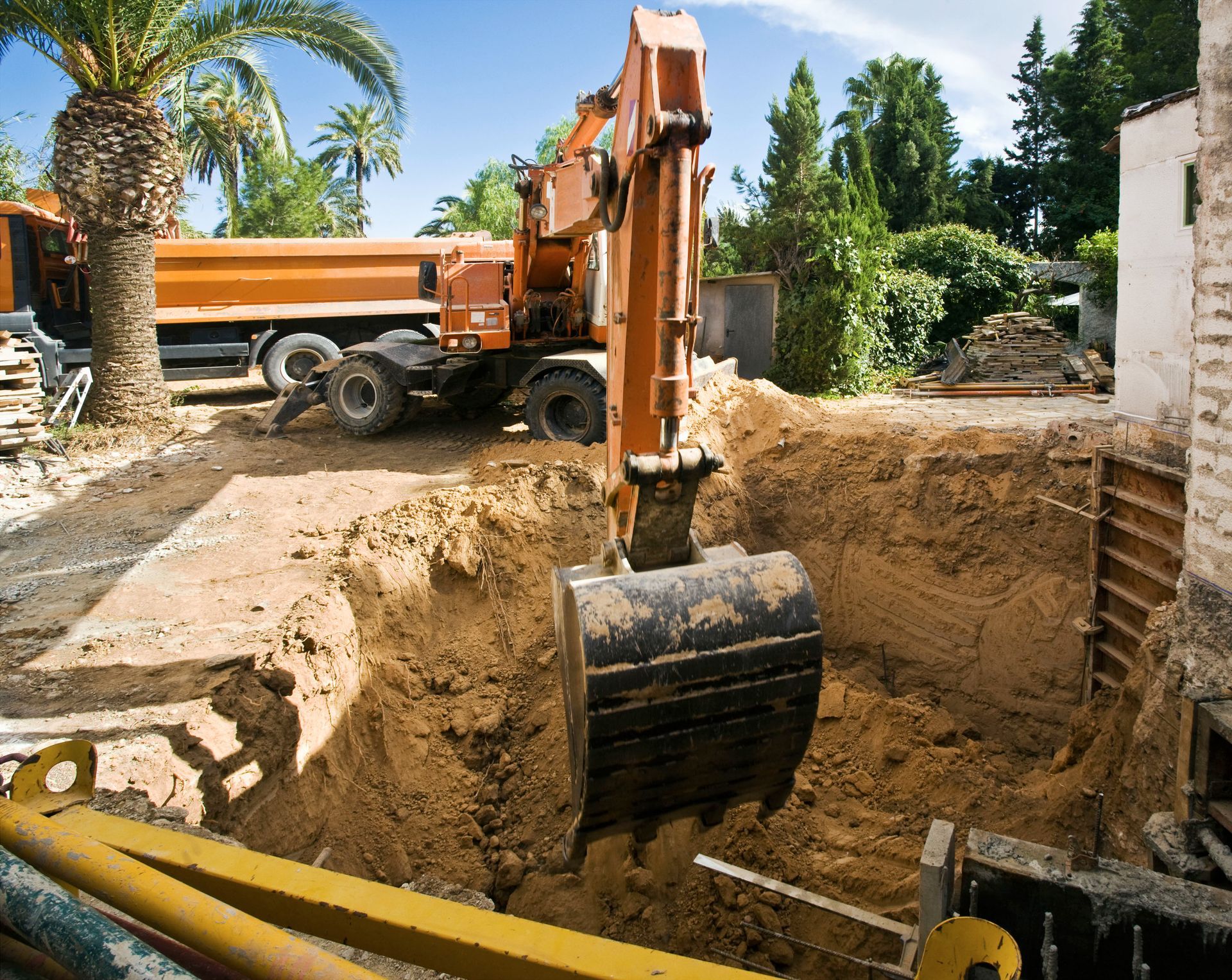
Excavation often involves working around existing utilities or preparing areas for new utility installation. Careful trenching and grading help support the proper placement of water, sewer, and other underground systems. Attention to ground conditions also contributes to long-term site stability.
Awareness of subsurface conditions can help guide trench depth and alignment considerations. This attention to detail supports organized utility placement and helps maintain a clean, accessible site throughout the excavation process. Clear utility paths also support future access needs.
Monitor Site Conditions Throughout Excavation
Conditions on an excavation site can change as work progresses. Monitoring soil movement, weather impacts, and site access during excavation allows adjustments to be made as needed. This ongoing awareness helps reduce disruptions and supports steady project advancement.
Regular observation during excavation helps ensure grading and trenching remain consistent with project goals. Addressing minor changes as they arise can help keep work moving forward without introducing unnecessary complications later in the process. Consistent monitoring also supports better coordination across active areas.
3. Control Project Costs Through Strategic Excavation
Optimize Material Use Through Precise Grading
Professional excavation focuses on using materials efficiently throughout the project. Careful grading and planning help determine appropriate fill placement and reduce unnecessary material handling. This approach supports cost control while maintaining site functionality.
Support Long-Term Site Performance Through Proper Preparation
Well-executed excavation contributes to the overall performance of a site over time. Proper grading and preparation help manage drainage and reduce the likelihood of future site adjustments. This can support smoother construction phases and reduce the need for corrective work later.
By addressing grading and soil placement early, excavation helps establish conditions that support consistent performance as the site develops. This groundwork can make future improvements easier to plan and execute. Stable conditions also support predictable surface behavior.
Adjust Service Scope Based on Project Needs
Excavating services can be adapted to fit the specific scope of a project. Whether the work involves residential site preparation or larger commercial excavation, flexible service approaches help align the work with project goals without unnecessary additions. This flexibility allows services to remain practical and focused.
This adaptability allows excavation work to remain centered on what the site actually requires. Adjusting services based on project needs helps ensure resources are used thoughtfully while still supporting functional outcomes. Clear scope alignment also helps reduce changes mid-project.
4. Stabilize Sites Through Targeted Excavation Practices
Manage Exposed Soil During Active Excavation
After excavating services are completed, exposed soil may require stabilization to reduce erosion. Managing these areas is an important part of maintaining site integrity, especially during periods of rain or extended construction timelines. Stabilization supports consistency across graded surfaces.
Stabilization efforts help preserve grading work and protect surrounding areas from runoff. Addressing exposed soil early can help maintain site conditions while construction or development continues. This also supports clearer site boundaries.
Support Drainage and Surface Water Flow
Grading performed during excavating services plays a key role in directing surface water away from structures and developed areas. Proper drainage planning supports site longevity and helps reduce water-related issues. Controlled surface flow also supports safer access conditions.
Thoughtful grading helps guide surface flow in a controlled manner, supporting both functionality and site organization. This attention to drainage can help maintain the integrity of developed areas over time. Clear water paths also support maintenance planning.
5. Support Diverse Projects Through Comprehensive Excavation Capabilities
Provide Residential Excavation Solutions
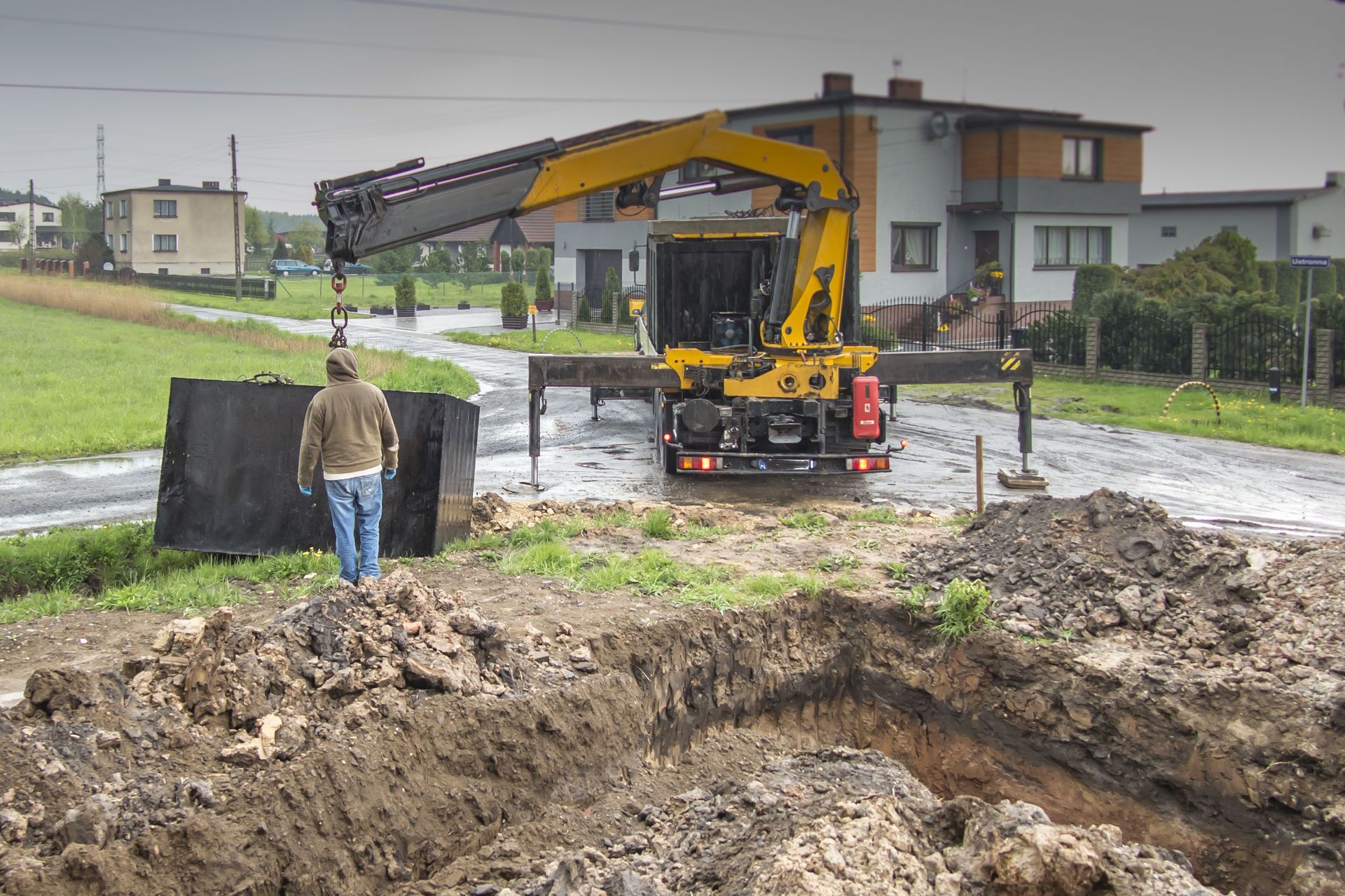
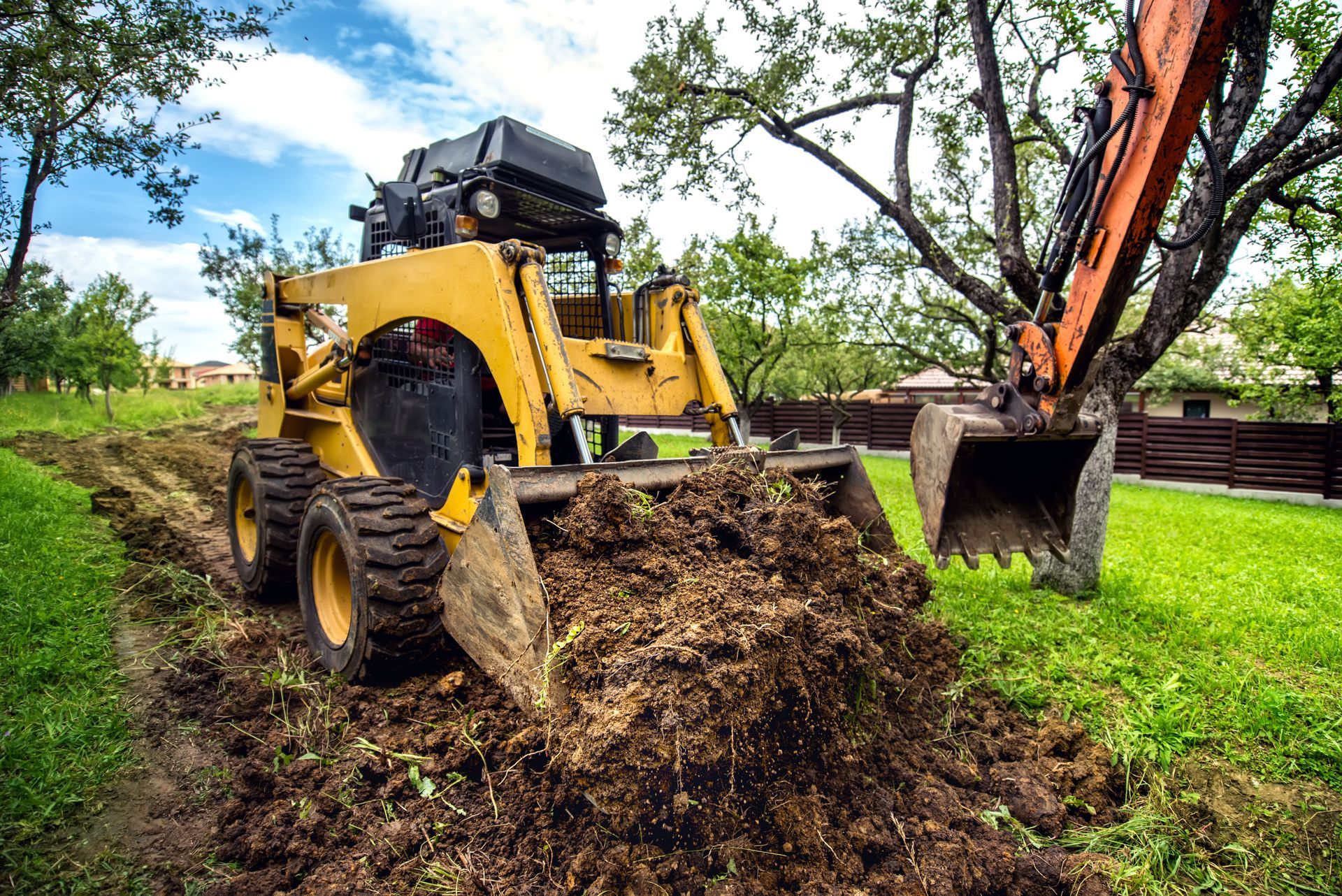
Residential excavation may include site clearing, grading, trenching for utilities, and preparation for foundations, driveways, or other improvements. These services help homeowners prepare their land for construction or upgrades. Each task supports functional land use.
Each residential project presents unique considerations, including property layout and intended use. Excavation services tailored to these needs help support practical and functional improvements. Clear planning also supports smoother transitions into construction.
Execute Commercial Excavation and Site Development
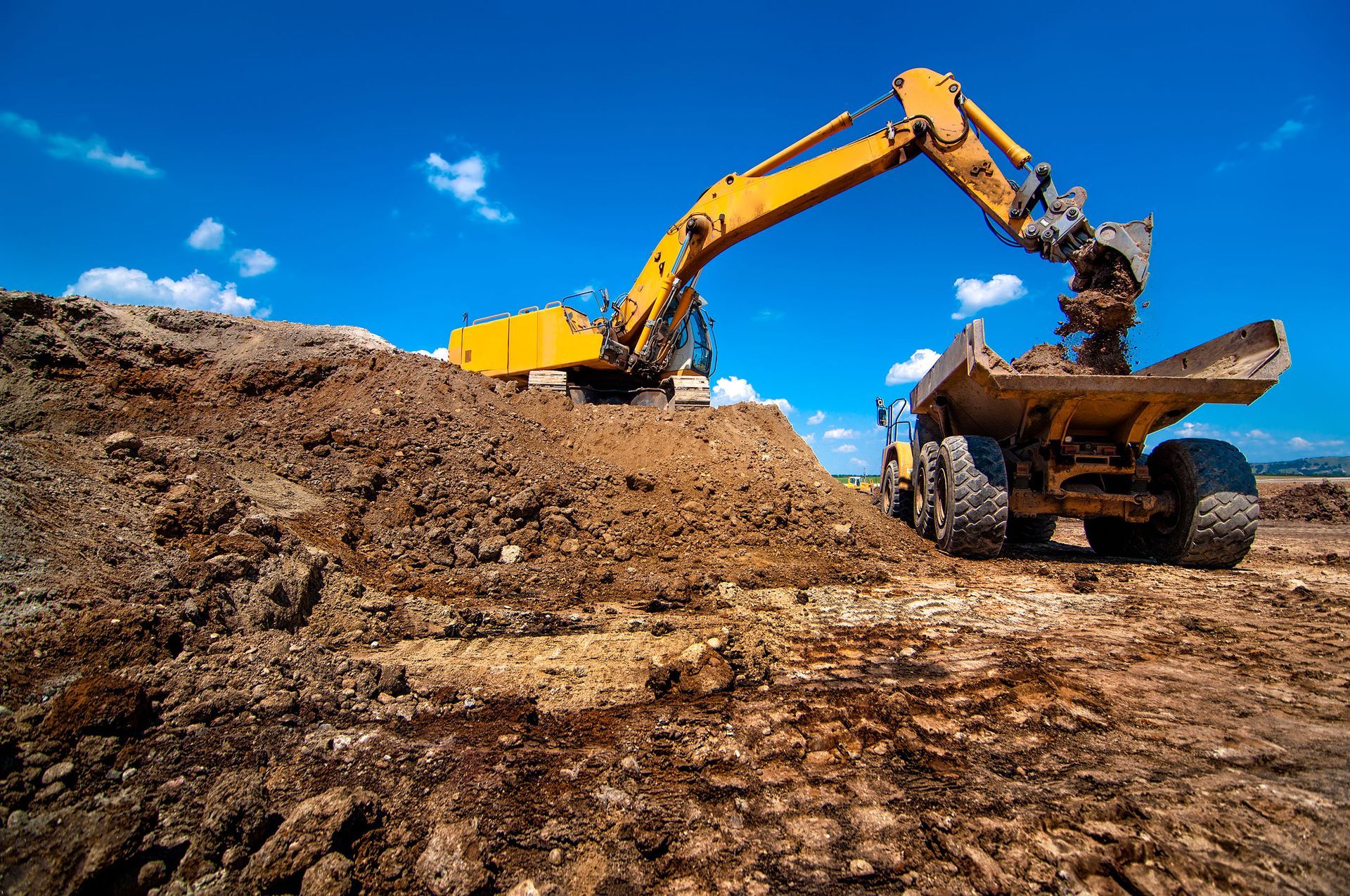
Commercial excavating services support larger-scale projects such as site development, utility installation, and grading for parking areas or building pads. These services help create functional sites that are ready for further construction. Organized excavation supports predictable workflows.
Commercial projects often require careful coordination to accommodate access, timelines, and site layout. Excavation work that aligns with these needs helps support organized development efforts. Clear site organization also supports ongoing activity.
Expert excavating services play an important role in supporting construction and land development by establishing well-prepared sites and coordinating work that aligns with future project phases. A thoughtful approach to excavation helps create functional conditions that support steady progress and long-term usability. To learn more about available excavation, grading, utility trenching, and site stabilization services for residential and commercial projects, explore what McKinney Excavating & Contracting LLC has to offer.

Share On: