What an Excavating Contractor Does and Why You Need One
Construction and land development projects depend on careful preparation before any structure can be built. One of the most important professionals involved in this early stage is an excavating contractor. These specialists handle the heavy groundwork that prepares land for foundations, utilities, drainage systems, and other essential infrastructure. Their expertise ensures that sites are safe, stable, and properly graded before construction begins.
An excavating contractor works with a variety of equipment and technical plans to shape land according to engineering specifications. Whether preparing residential lots, commercial developments, or infrastructure projects, their work directly affects the success of the entire project. With the right planning, skilled operators, and modern technology, excavation professionals help transform raw land into a build-ready site.
Preparing Construction Sites
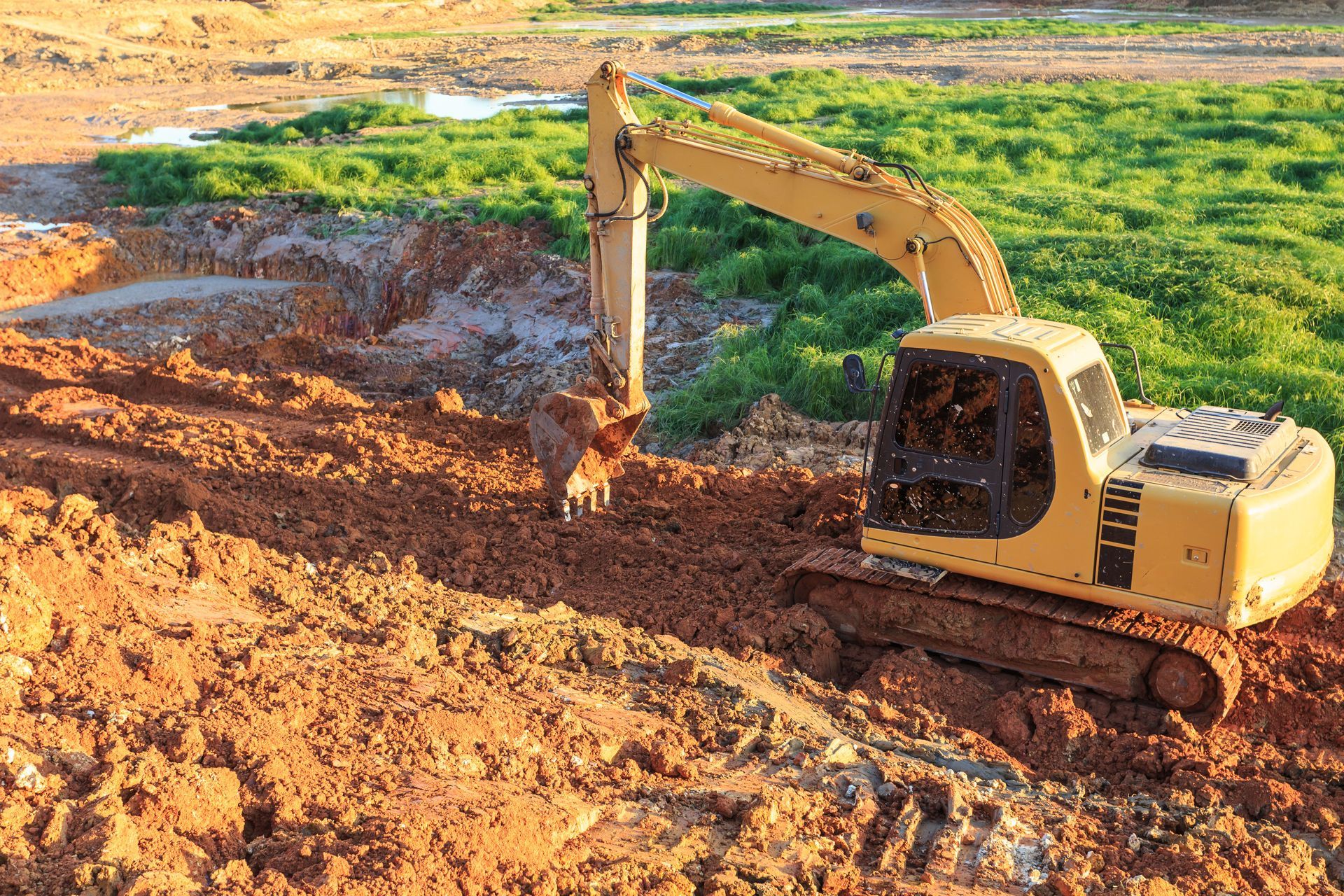
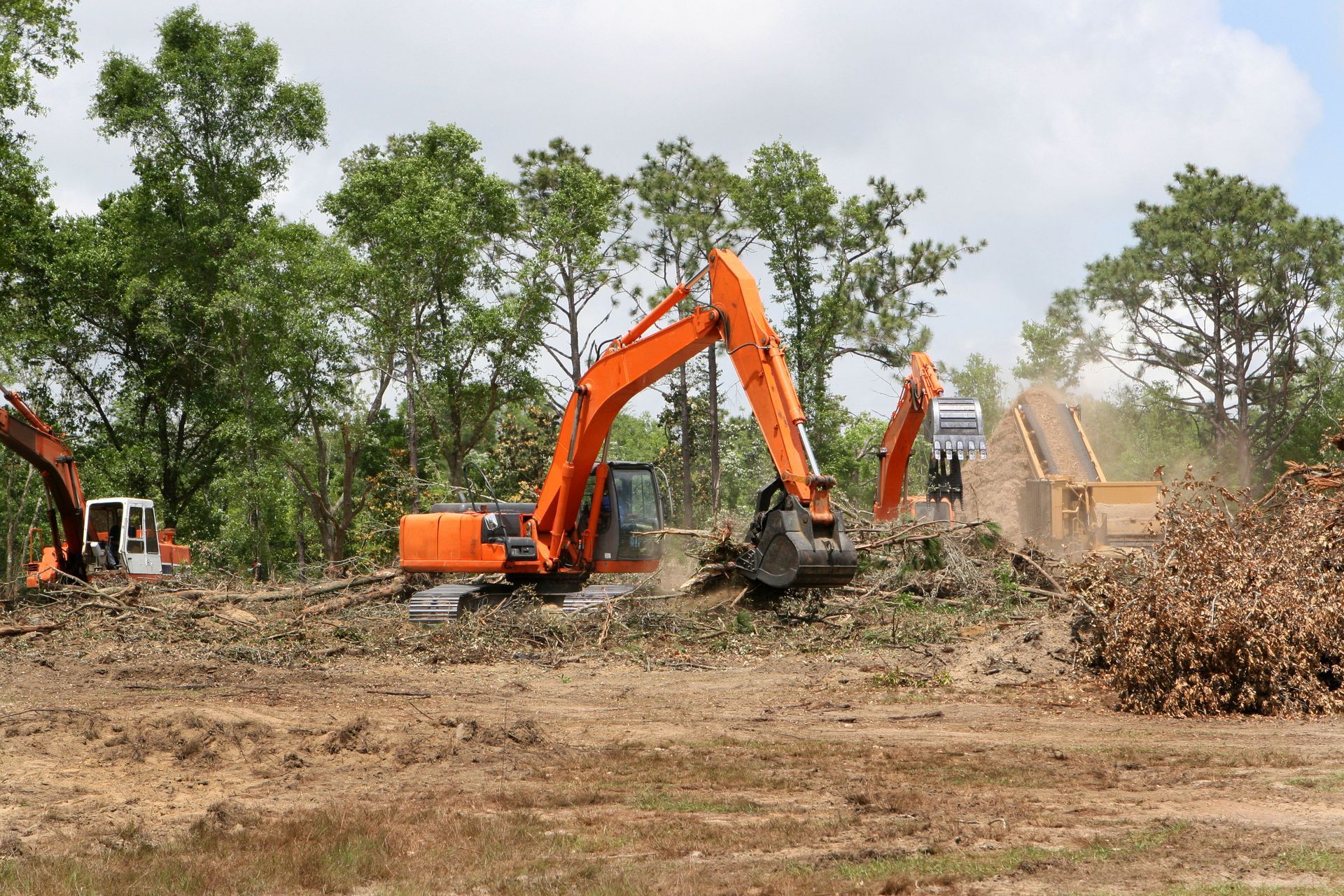
The first responsibility of an excavating contractor is to prepare the land for construction. This process often begins with clearing vegetation, removing debris, and grading the site to create a stable working surface. Trees, brush, and old structures must often be removed before excavation can begin, and this work requires careful planning to prevent unnecessary disruption to surrounding areas. Proper grading helps control water flow, prevents soil instability, and ensures that future structures rest on solid ground. Without careful preparation, construction projects may face drainage issues, uneven foundations, or long-term structural problems that are costly to correct later.
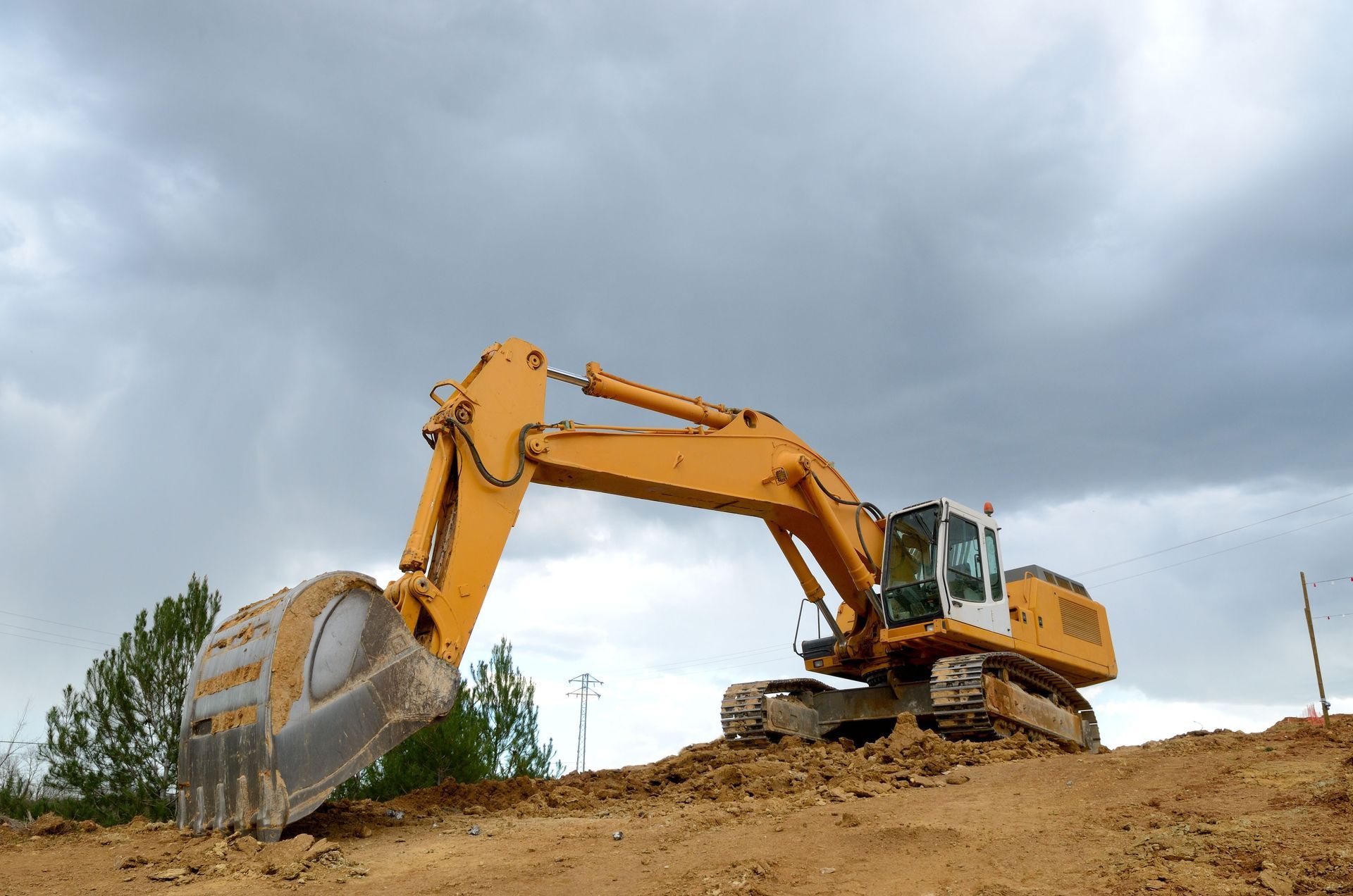
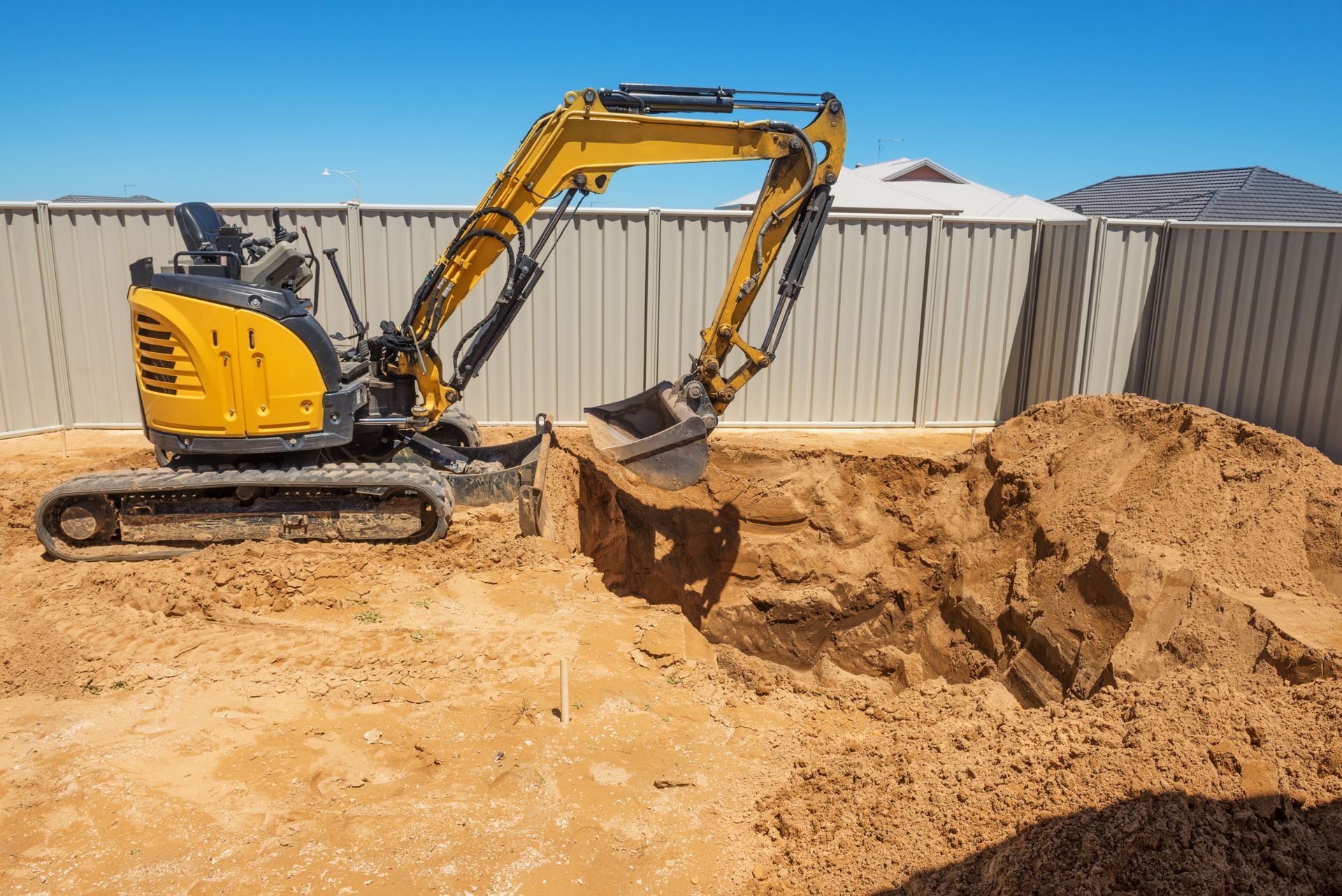
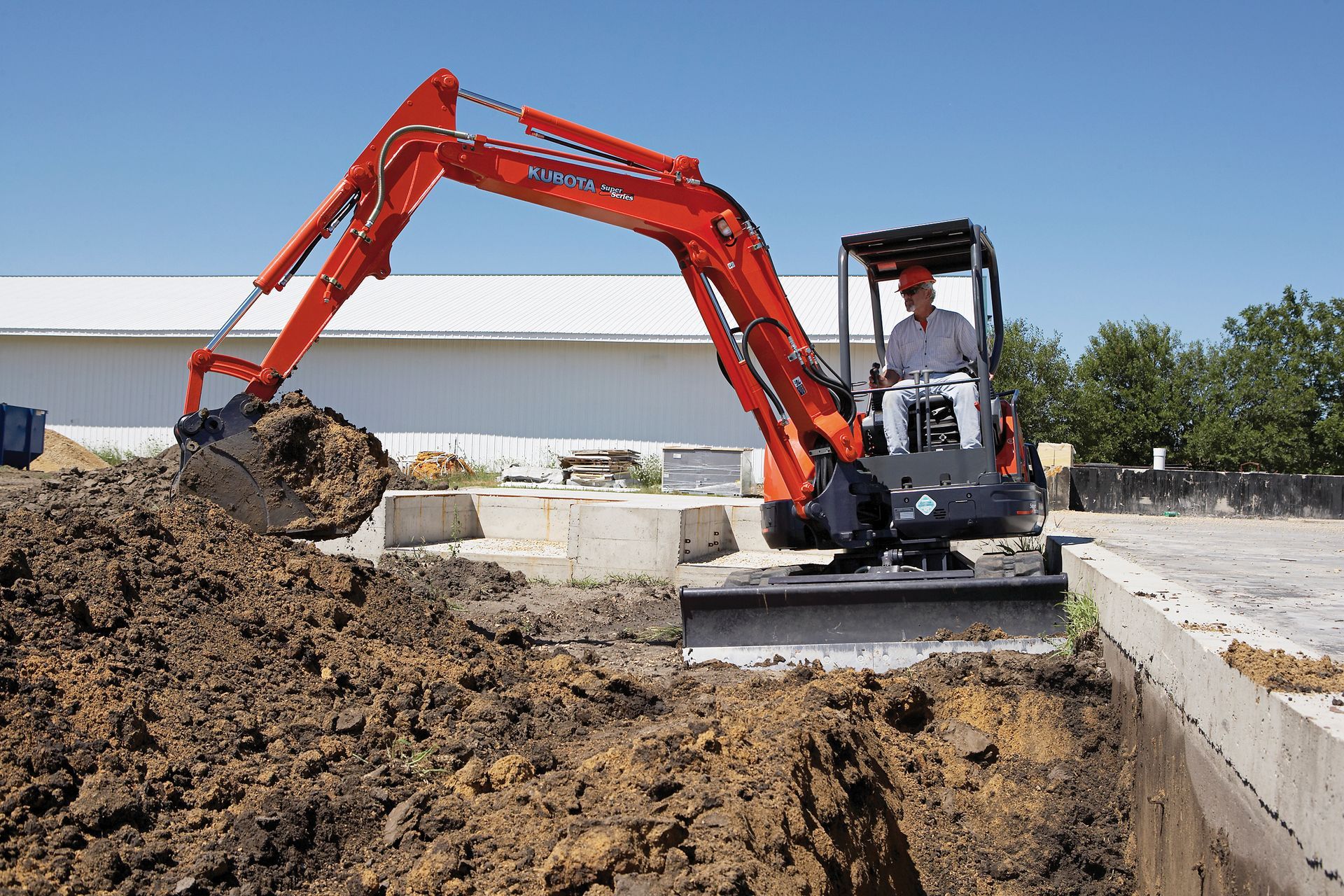
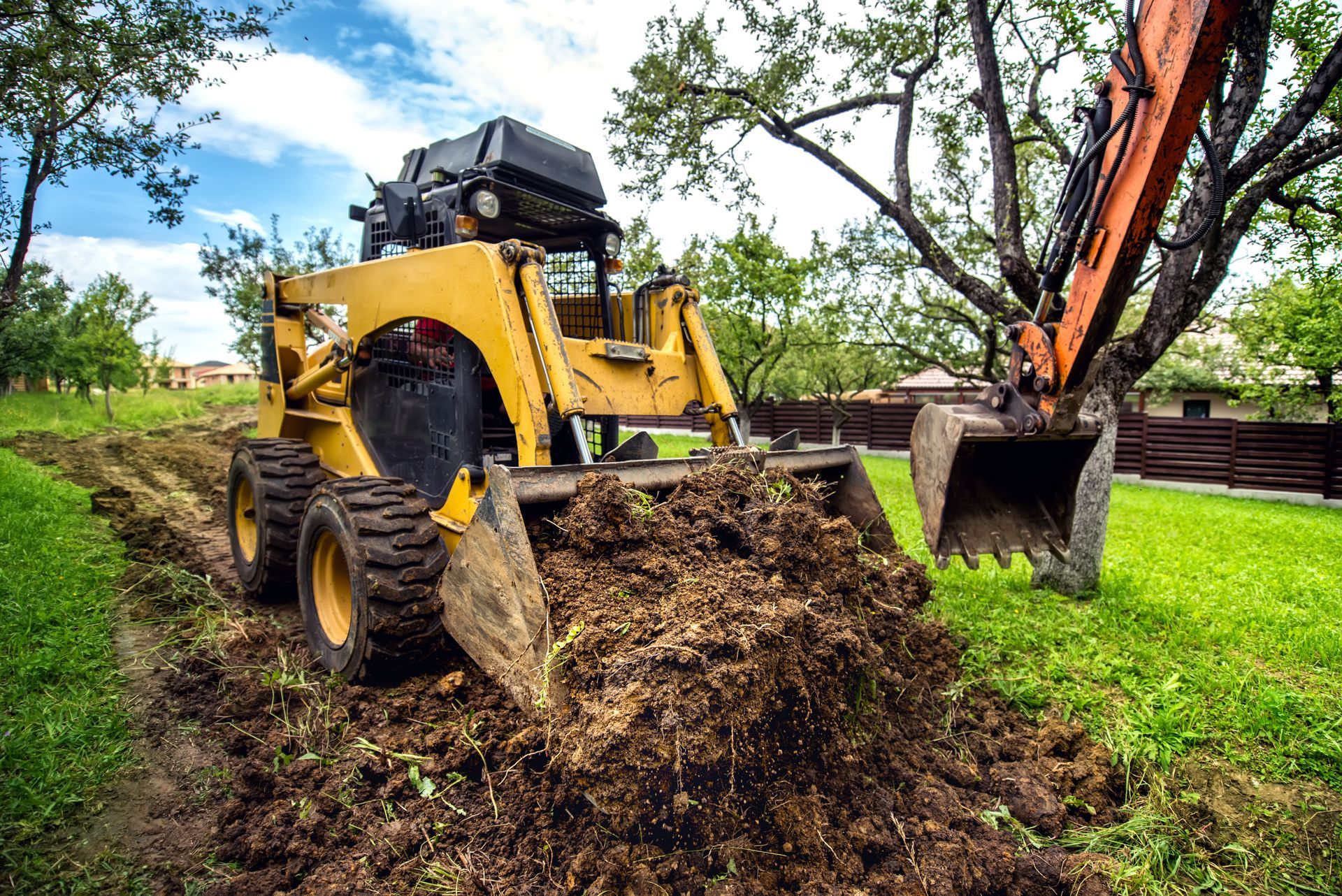
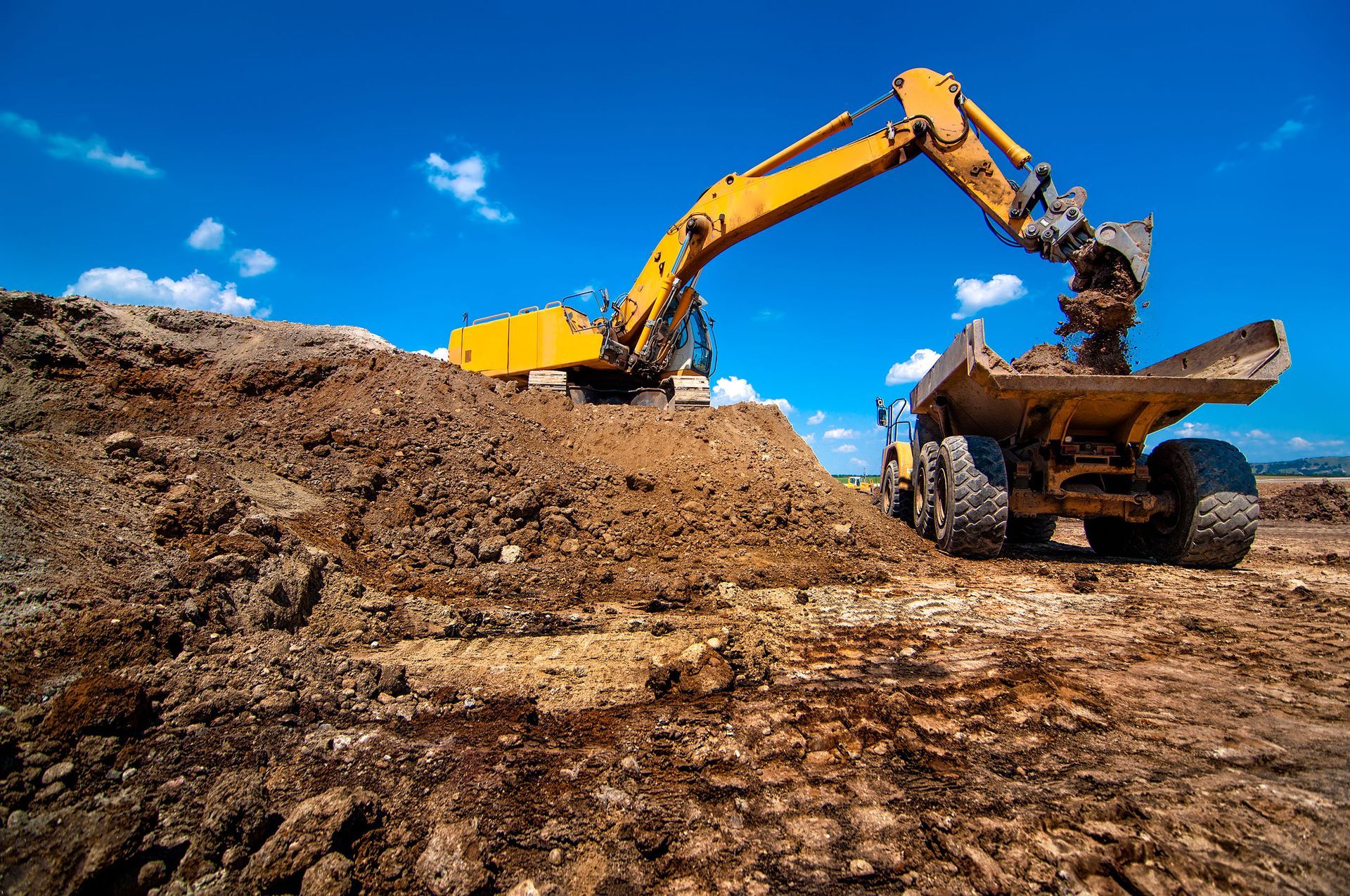
Heavy equipment such as excavators, bulldozers, backhoes, and loaders is commonly used to move soil and reshape terrain. These machines allow contractors to handle large volumes of earth efficiently while maintaining precise control over the project layout. Skilled equipment operators can adjust grades, dig foundations, and remove obstacles while following detailed engineering plans. In many cases, contractors also use surveying tools and GPS-guided equipment to ensure that grading and excavation meet exact specifications. This level of accuracy helps builders avoid complications when construction begins.
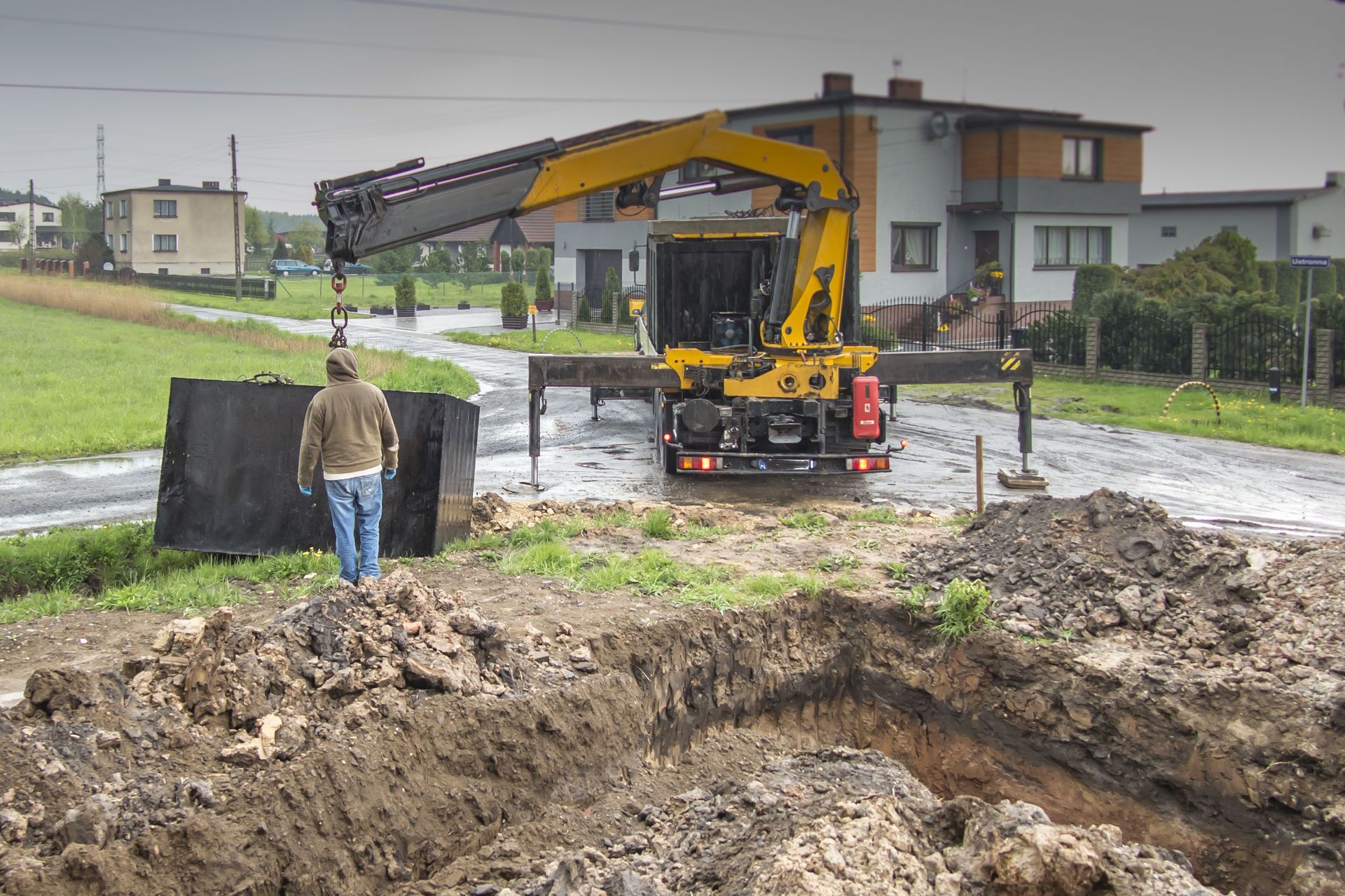
Site preparation also includes trenching for underground utilities such as water lines, sewer systems, gas lines, and electrical conduits. Accurate trenching ensures that these systems are installed safely and meet local building codes. Contractors must also account for soil stability and drainage patterns when placing these utilities to prevent future maintenance issues. By coordinating with engineers and surveyors, contractors make sure every element of the project begins with a properly prepared site that supports safe and efficient construction.
Handling Diverse Excavation Projects
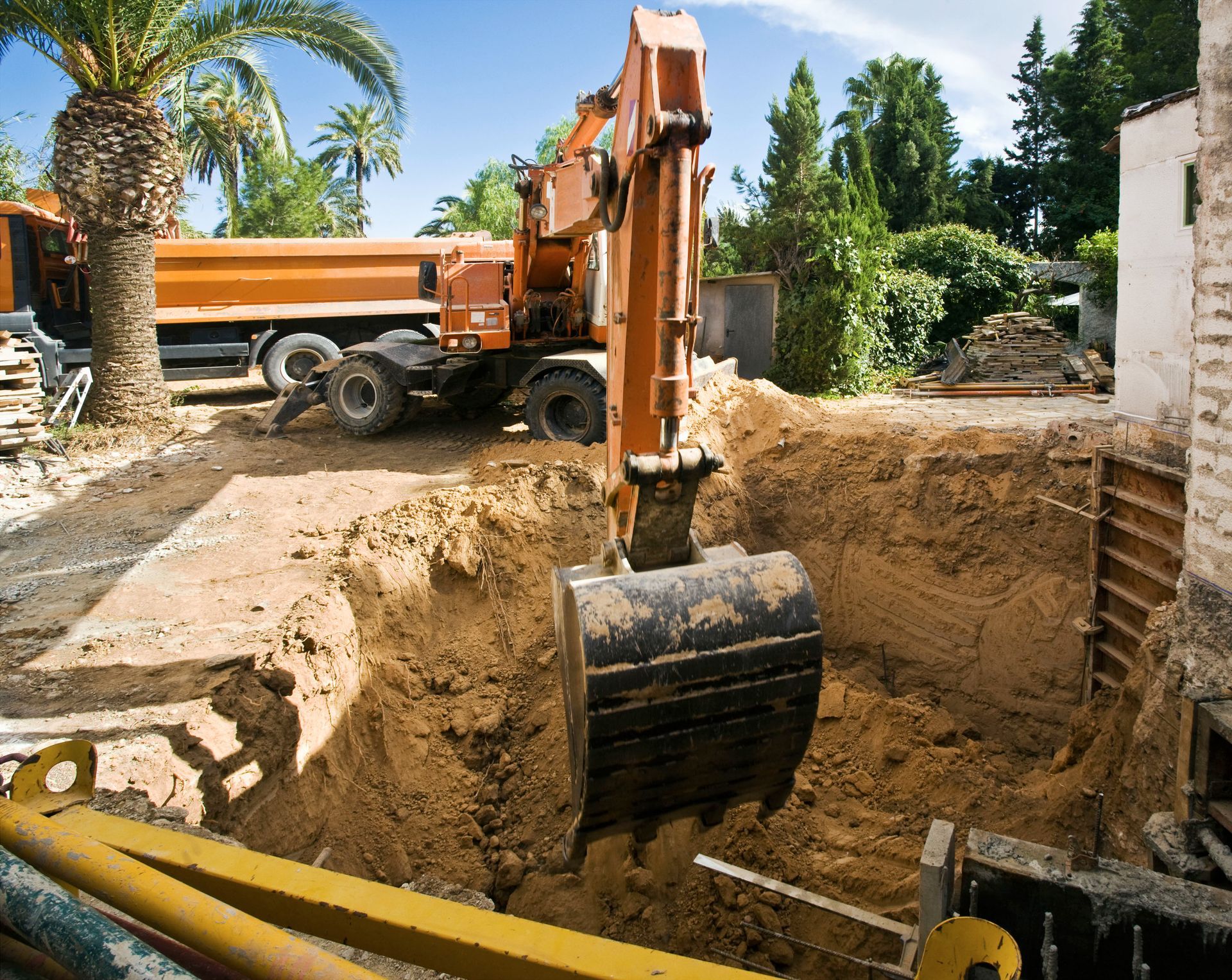
Excavation services are needed for a wide variety of projects across residential, commercial, and public sectors. Residential construction often requires foundation digging, grading for driveways, and trenching for utility lines. Contractors may also prepare land for basements, septic systems, and drainage solutions that protect homes from water damage. Each home site must be carefully prepared so that the foundation remains stable for decades and the surrounding landscape supports proper water runoff.
Commercial developments typically involve larger and more complex excavation work. Shopping centers, office buildings, and industrial facilities require significant earthmoving, drainage planning, and coordination with multiple contractors. These projects may involve removing large amounts of soil, preparing parking lots, and establishing drainage systems that handle heavy stormwater flow. An experienced excavating contractor helps ensure that these large-scale projects stay on schedule while meeting engineering specifications and safety requirements.
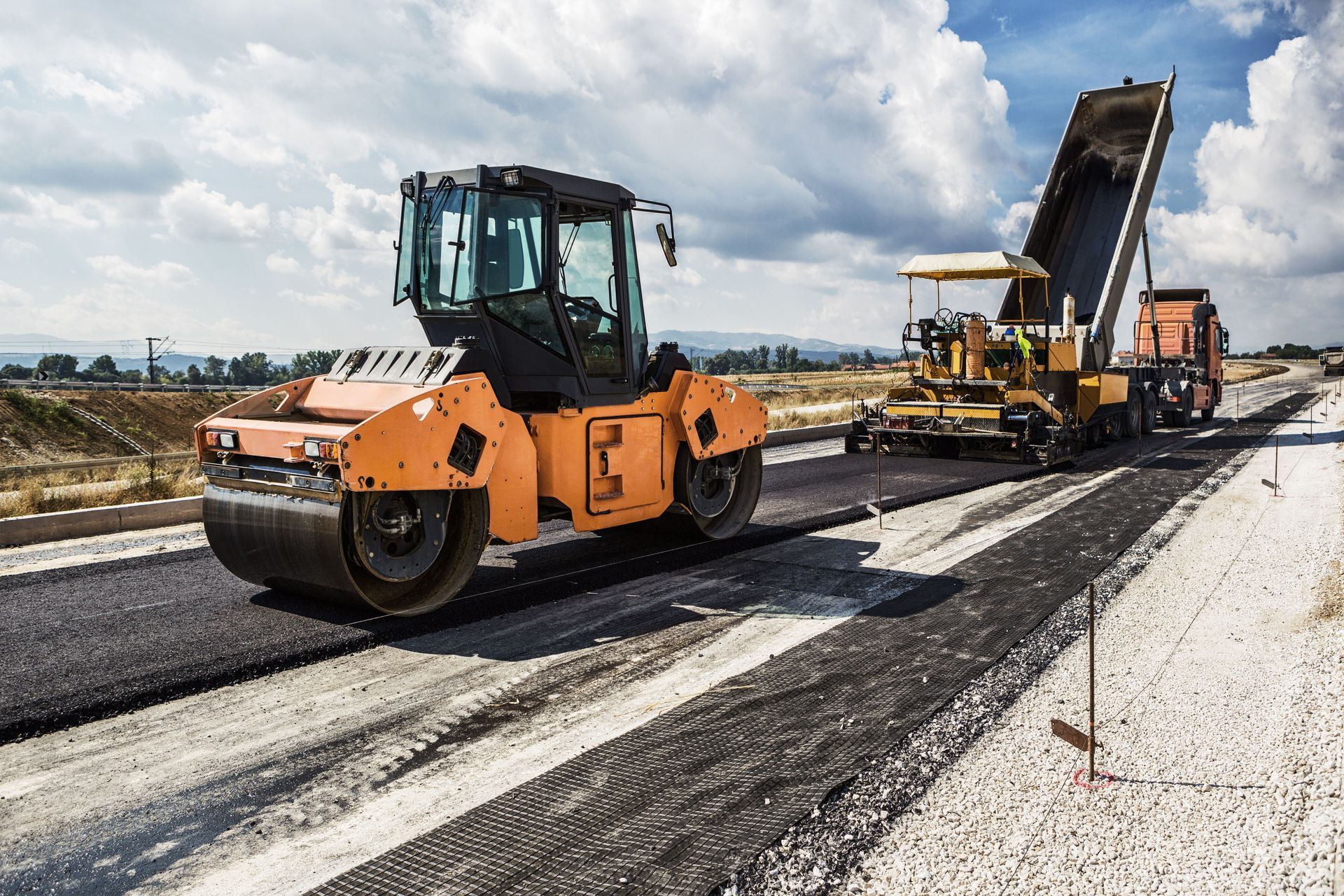
Excavation also plays an important role in infrastructure projects such as roads, bridges, and municipal utilities. Contractors may reshape terrain for highways, dig large trenches for sewer systems, or prepare land for public facilities like schools and government buildings. These projects demand precision and reliability because they often serve entire communities. Proper excavation ensures that roads remain stable, drainage systems function properly, and infrastructure projects deliver long-term reliability.
Operating Equipment and Ensuring Safety
Operating excavation machinery requires both technical skill and strict attention to safety procedures. Excavation sites involve heavy equipment, deep trenches, and shifting soil conditions, which means safety must remain a constant priority. Contractors follow established safety standards and ensure that workers are properly trained before operating machinery. Training programs often include equipment operation techniques, hazard awareness, and emergency response procedures to prepare workers for a wide range of site conditions.
Protective equipment, clearly marked work zones, and routine safety inspections help reduce the risk of accidents. Contractors also evaluate soil conditions and weather patterns to determine the safest excavation methods for each project. For example, unstable soil may require additional reinforcement or shoring to prevent trench collapses. These precautions help prevent hazards such as equipment malfunctions, unstable ground, and unsafe working conditions that could delay a project or cause injuries.
Modern excavation companies often invest in updated machinery equipped with advanced controls, sensors, and GPS guidance systems. These tools improve accuracy and efficiency while helping operators maintain safe working conditions. Technology also allows contractors to monitor equipment performance and site progress in real time, reducing the likelihood of costly mistakes. A professional excavating contractor combines technical knowledge with responsible jobsite management to keep projects running smoothly and safely.
Managing Environmental and Economic Considerations
Excavation affects both the environment and the overall cost of a construction project. Contractors must carefully manage soil movement, drainage, and erosion control to protect nearby ecosystems. Responsible excavation practices may include installing sediment barriers, creating controlled runoff systems, and carefully planning excavation areas to minimize land disturbance. These strategies help prevent soil erosion and protect nearby waterways from sediment contamination.
Sustainable practices are becoming more common as the construction industry continues to prioritize environmental responsibility. Contractors may recycle excavated materials, reuse soil for grading and landscaping, or use equipment that produces fewer emissions. Planning excavation carefully also reduces fuel usage and minimizes the amount of soil that must be transported off-site. These strategies help reduce environmental impact while maintaining efficient project timelines and keeping costs under control.
The excavation industry also represents a major economic sector within construction. According to The Business Research Company, the excavation market is expected to grow to $600.73 billion in 2029. This growth reflects the increasing demand for infrastructure, housing, and commercial development, all of which rely on skilled excavation professionals. As communities expand and development projects increase, excavation services remain essential for supporting long-term growth.
Selecting a Qualified Excavating Contractor
Choosing the right excavating contractor is essential for ensuring a project begins with a strong foundation. One of the most effective ways to evaluate contractors is by reviewing their experience with similar projects. Contractors with a proven track record are more likely to anticipate challenges, adapt to changing conditions, and complete work efficiently. Looking at past projects can also provide insight into the quality of their work and the types of services they offer.
Licensing, insurance coverage, and proper certifications are also important factors when selecting a contractor. These credentials demonstrate that the company follows industry standards and complies with safety regulations. Insurance coverage protects property owners and workers in the event of unexpected accidents or damages. Clients should also request detailed project estimates and timelines to ensure expectations are clearly defined before work begins.
Communication is another critical factor in successful excavation projects. Contractors must coordinate with engineers, surveyors, builders, and property owners throughout the process. Clear planning and open communication help prevent delays while ensuring that excavation work aligns with the overall construction schedule. When everyone involved understands the scope and timeline of the project, excavation work can move forward efficiently while supporting the success of the entire construction process.
Excavation remains one of the most important stages of any construction project because it establishes the groundwork for everything that follows. From preparing land and installing utilities to shaping terrain and managing drainage, an excavating contractor plays a vital role in transforming undeveloped property into a safe and functional building site.
Professional excavation services combine technical expertise, advanced equipment, and careful planning to ensure successful outcomes. By working with experienced contractors, property owners and developers can confidently move forward with construction knowing that their site has been properly prepared for long-term stability and performance. For more information about the services that we offer, reach out to our incredible team at McKinney Excavating & Contracting LLC today!
Share On: