6 Types of Projects That Depend on Heavy Equipment
Heavy machinery serves as the engine of modern site development, allowing contractors and property owners to execute demanding tasks that manual labor cannot accomplish. From breaking ground on new housing developments to managing complex earthmoving needs for commercial facilities, heavy machinery powers every phase of site preparation. Top heavy equipment companies provide the heavy-duty fleet, experienced operators, and specialized attachments required to convert raw acreage into stable construction zones. Without reliable machinery, physical progress on major builds would stall, driving up project timelines and labor demands significantly.
Beyond accelerating initial clearing, heavy machinery establishes the long-term stability and structural safety of physical builds. Heavy machinery enables operators to shift soil, clear deep obstructions, and manage tough terrain with power and control. As physical development expands across local communities, the role of experienced heavy equipment companies becomes increasingly vital. Understanding which project types rely most heavily on specialized earthmoving machinery allows property owners and general contractors to plan their site preparation effectively right from day one.
1. Preparing Residential Sites for Home Construction
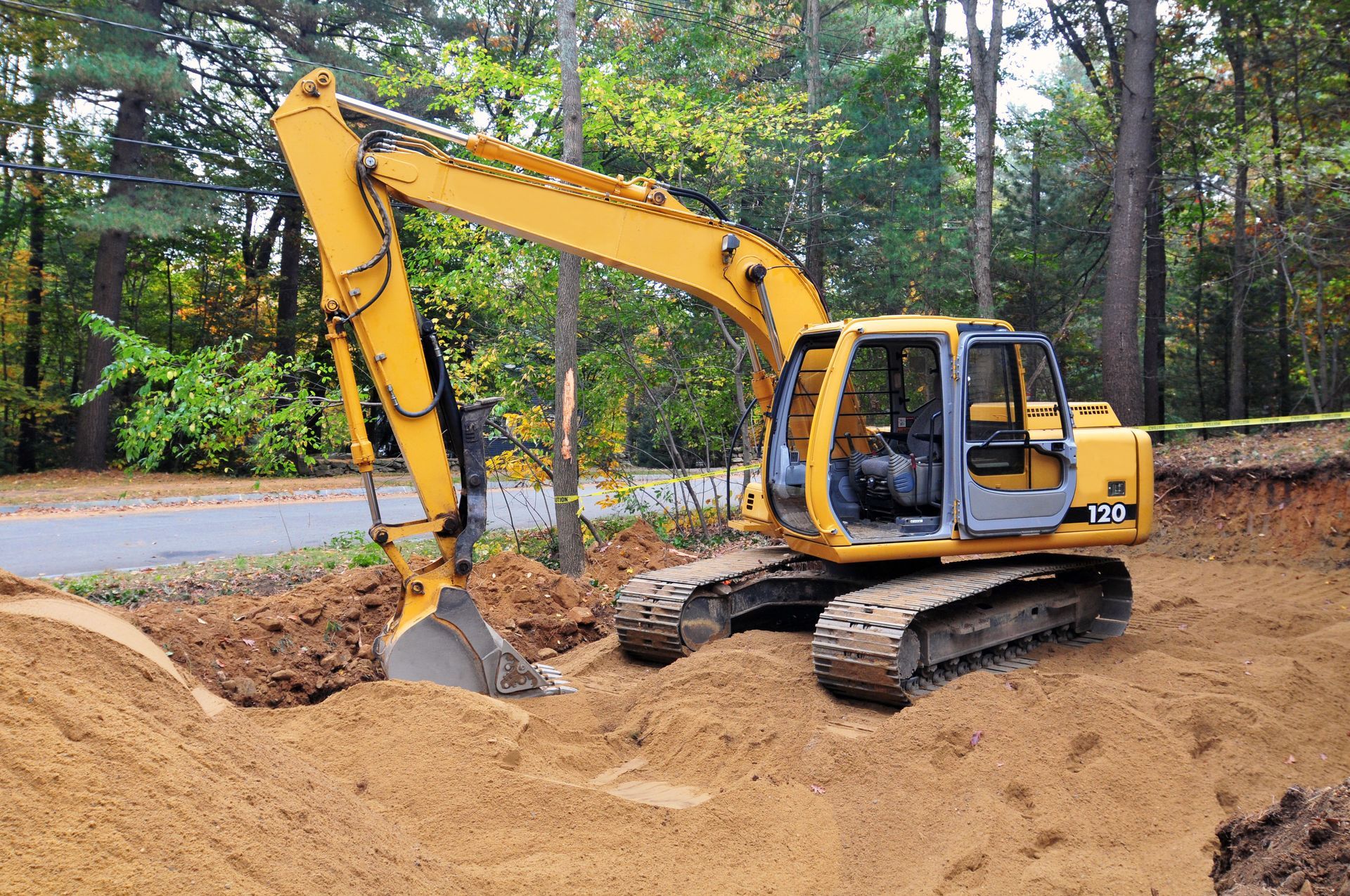
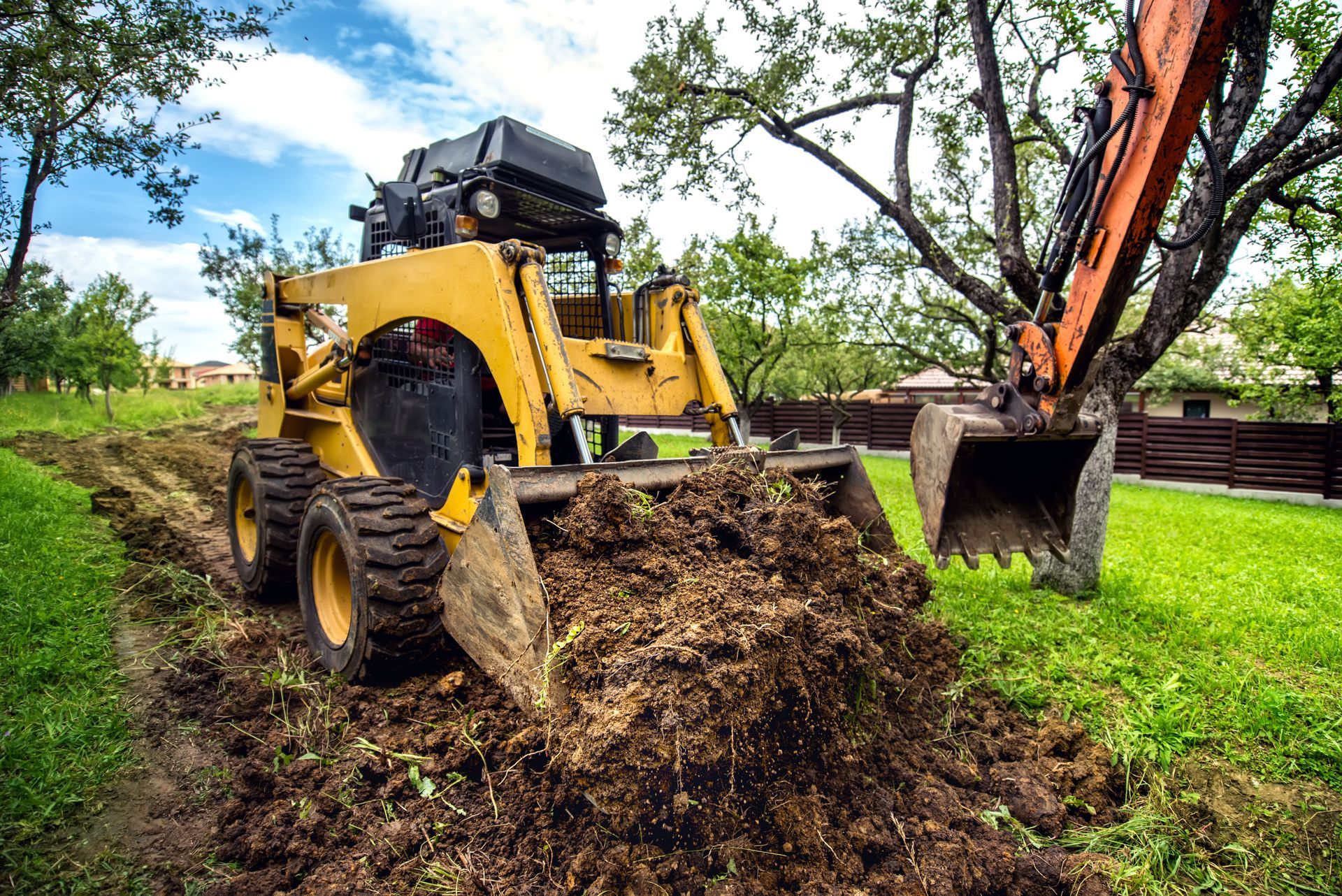
Residential development relies on heavy machinery long before framing or foundation pouring begins. Before constructing a new home, contractors must clear trees, boulders, and thick vegetation to establish a usable building footprint. Heavy excavators and bulldozers are essential during this initial stage, rapidly stripping away brush and moving massive amounts of earth to create a workable surface. Proper site preparation prevents future ground settling and protects concrete foundations over time. Partnering with reputable heavy equipment companies ensures that the correct earthmoving machinery is deployed right from the initial site walk.
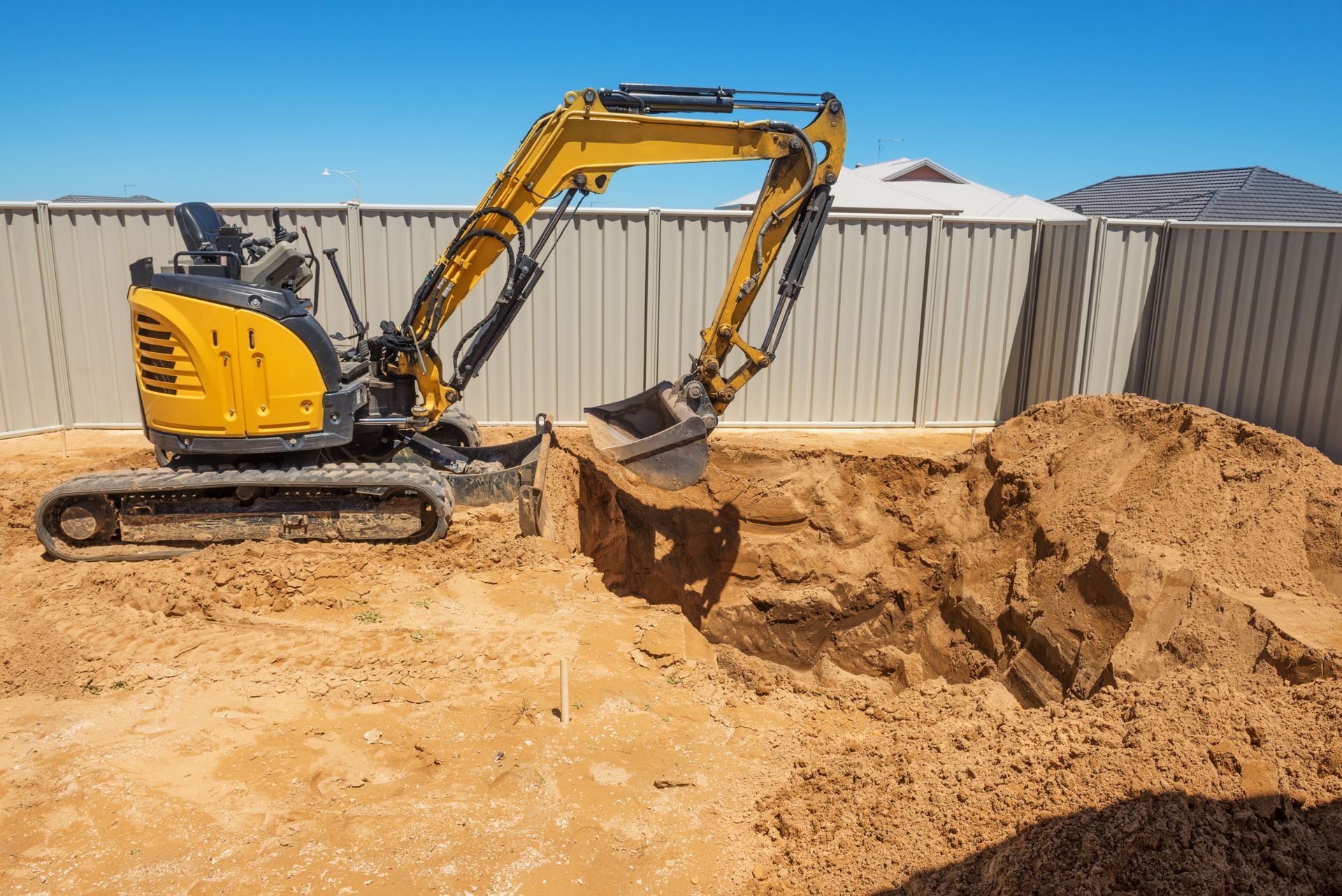
Once the land is cleared, excavating machinery digs foundation footings, basements, and drainage trenches with proper depth and alignment. According to Mordor Intelligence, the global market for excavators was valued at $72.23 billion in 2025 and is projected to reach $97.29 billion by 2030, highlighting the expanding reliance on these specialized machines across residential construction projects. Beyond foundation digging, heavy machinery manages backfilling around basement walls and prepares driveways for asphalt or concrete. Compactors complete the process by density-testing and settling the soil, ensuring every structure sits on an unshakable foundation.
2. Developing Commercial Properties for Business Use
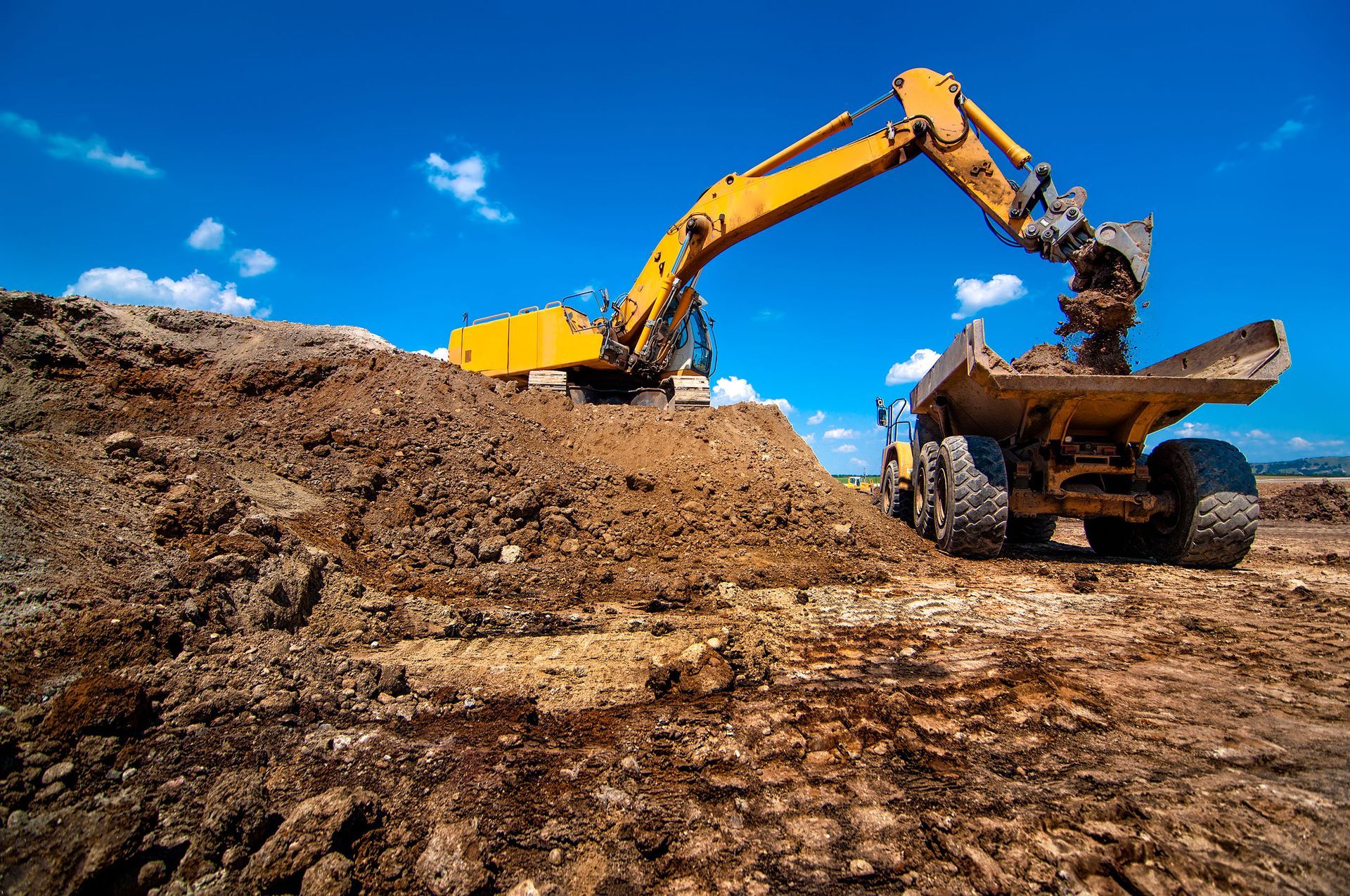
Commercial construction demands earthmoving operations on a significantly larger scale than typical residential builds. Constructing retail centers, office complexes, and industrial warehouses requires massive site leveling, deep excavation work, and extensive pad preparation. Heavy excavators and large wheel loaders shift hundreds of tons of earth, removing elevation variations and creating stable building pads for expansive structures. Dependable heavy equipment companies supply the high-capacity machinery required to keep commercial schedules on track, allowing general contractors to transition smoothly from ground preparation to physical building construction.
Commercial developments also require extensive site infrastructure, such as parking lots, loading docks, and stormwater retention basins. Heavy graders shape the exact slope of expansive parking areas, guiding surface water away from building foundations to prevent standing water and pavement erosion. Heavy rollers then compact asphalt bases to support constant commercial traffic over time. Managing these multifaceted demands requires versatile earthmoving tools that transition seamlessly from deep excavation to fine site grading without causing costly project delays.
3. Installing Underground Utilities for Infrastructure
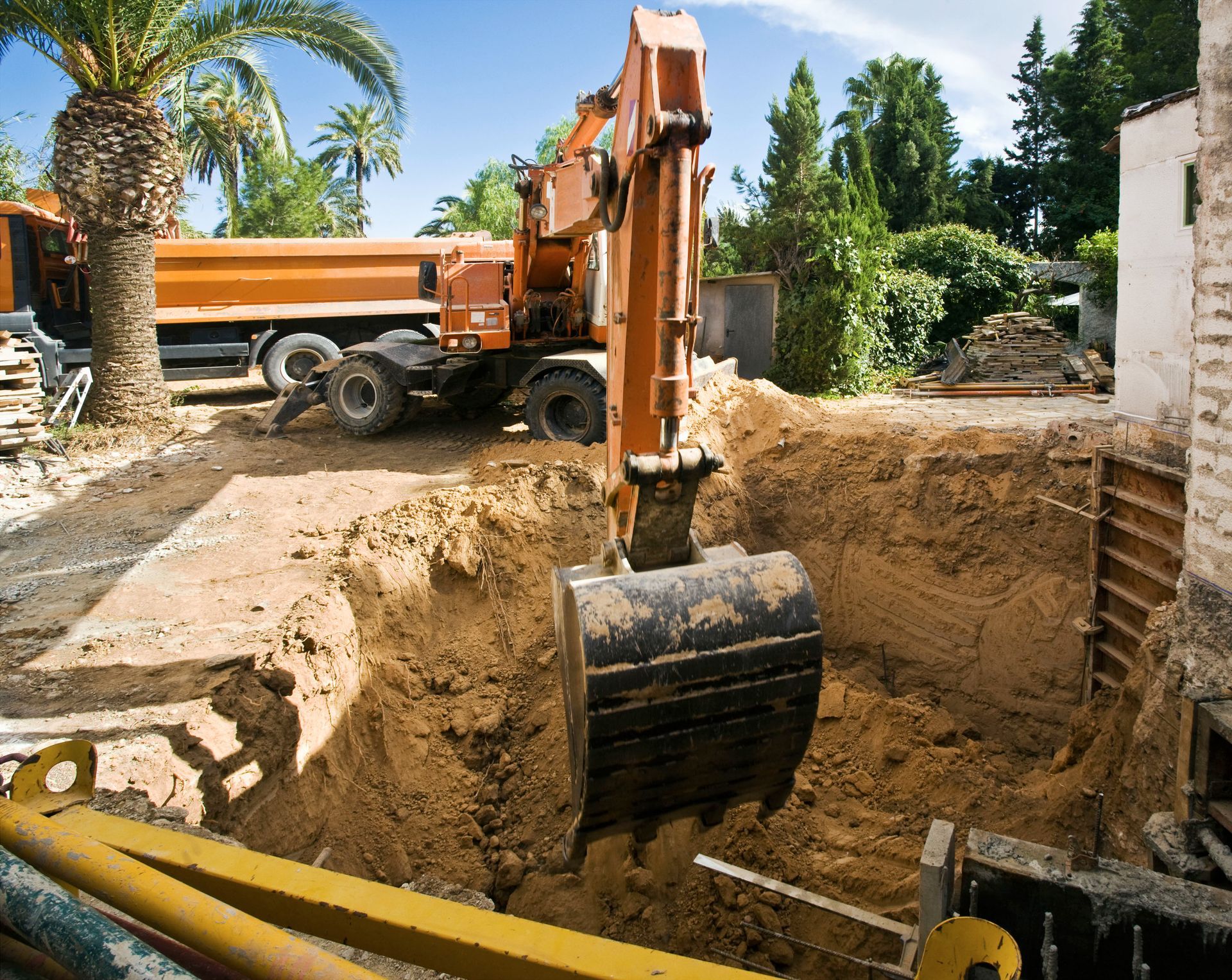
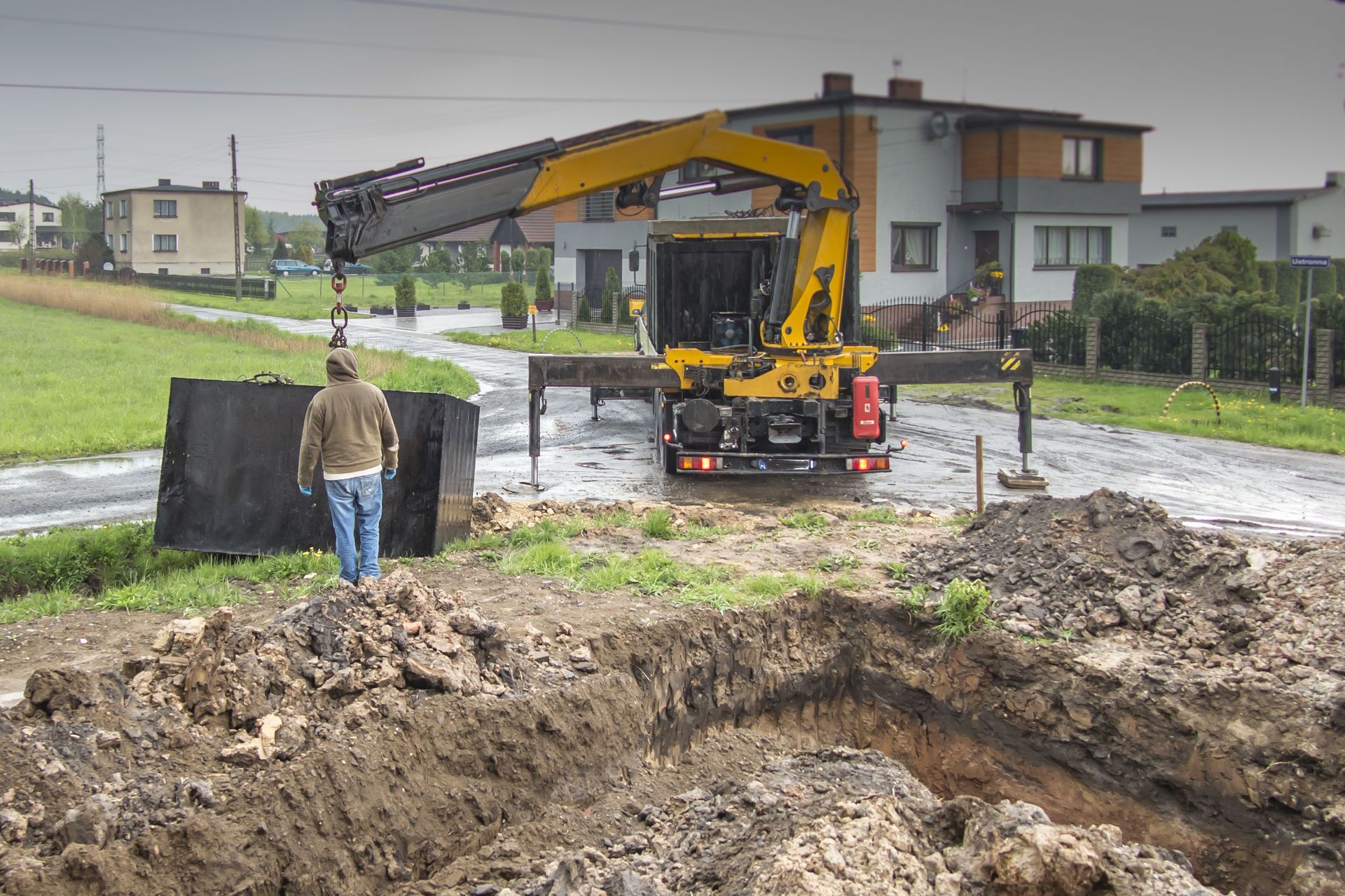
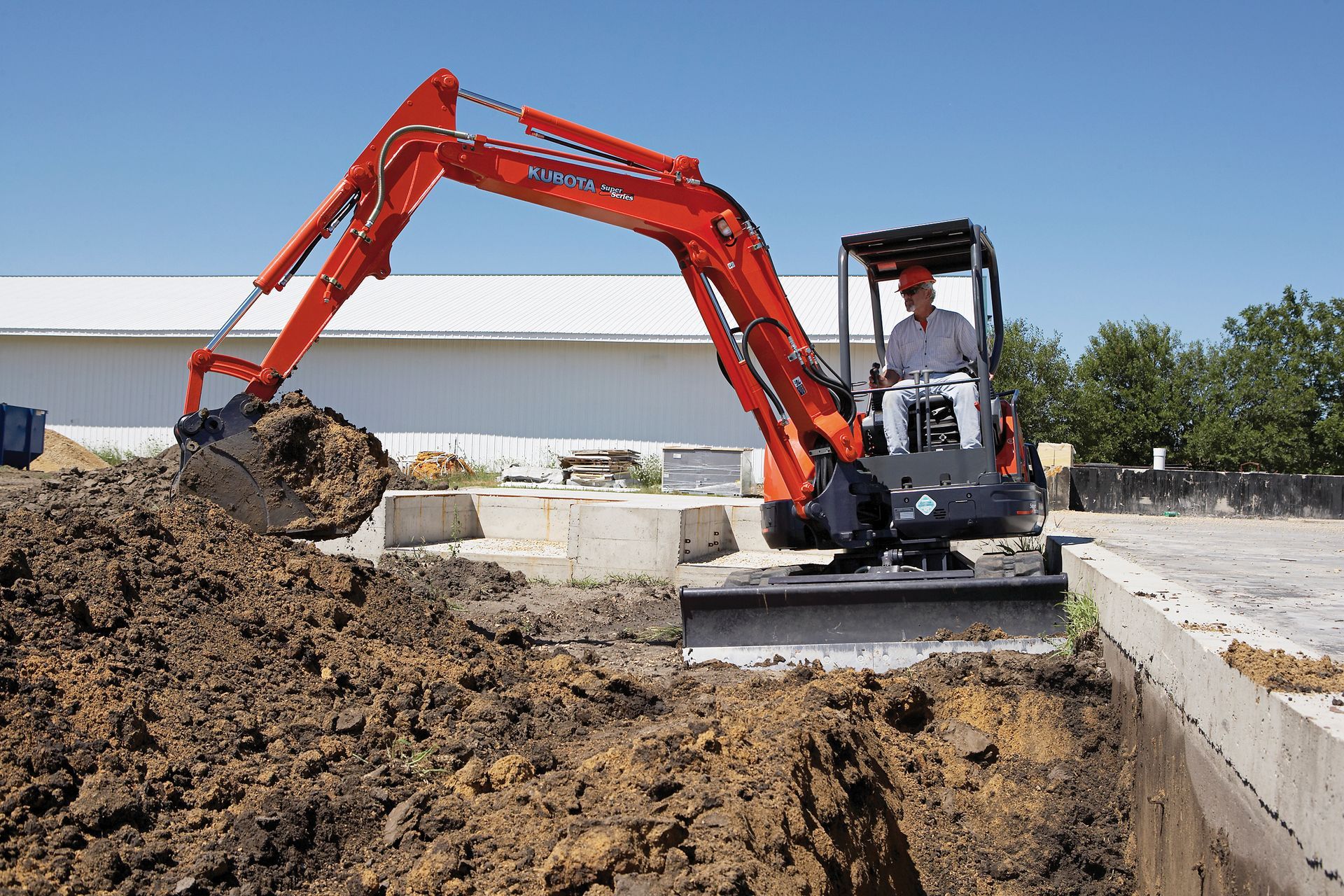
Installing underground utilities is a crucial phase of property development that requires deep precision and raw mechanical power. Trenching for sewer lines, water mains, storm drains, and electrical conduits requires dedicated excavation machinery capable of cutting through compacted soil and rocky ground. Heavy excavators carve deep trenches at consistent depths while maintaining safe sidewall slopes to prevent dangerous cave-ins. Professional heavy equipment companies supply specialized attachments, such as trenching buckets and hydraulic breakers, that enable operators to navigate tough subterranean conditions safely and efficiently.
Proper utility installation involves far more than simply digging a trench and laying pipe. Once utility lines are placed, heavy machinery carefully backfills the excavated trenches with gravel and aggregate to shield pipes from crushing soil weight. Compactors compress the backfilled soil in uniform layers to prevent ground sagging, which could rupture buried utility lines or damage overlying driveways. The seamless coordination of trenching, pipe placement, and soil compaction ensures vital utility infrastructure functions reliably for decades to come.
4. Clearing and Grading Raw Land
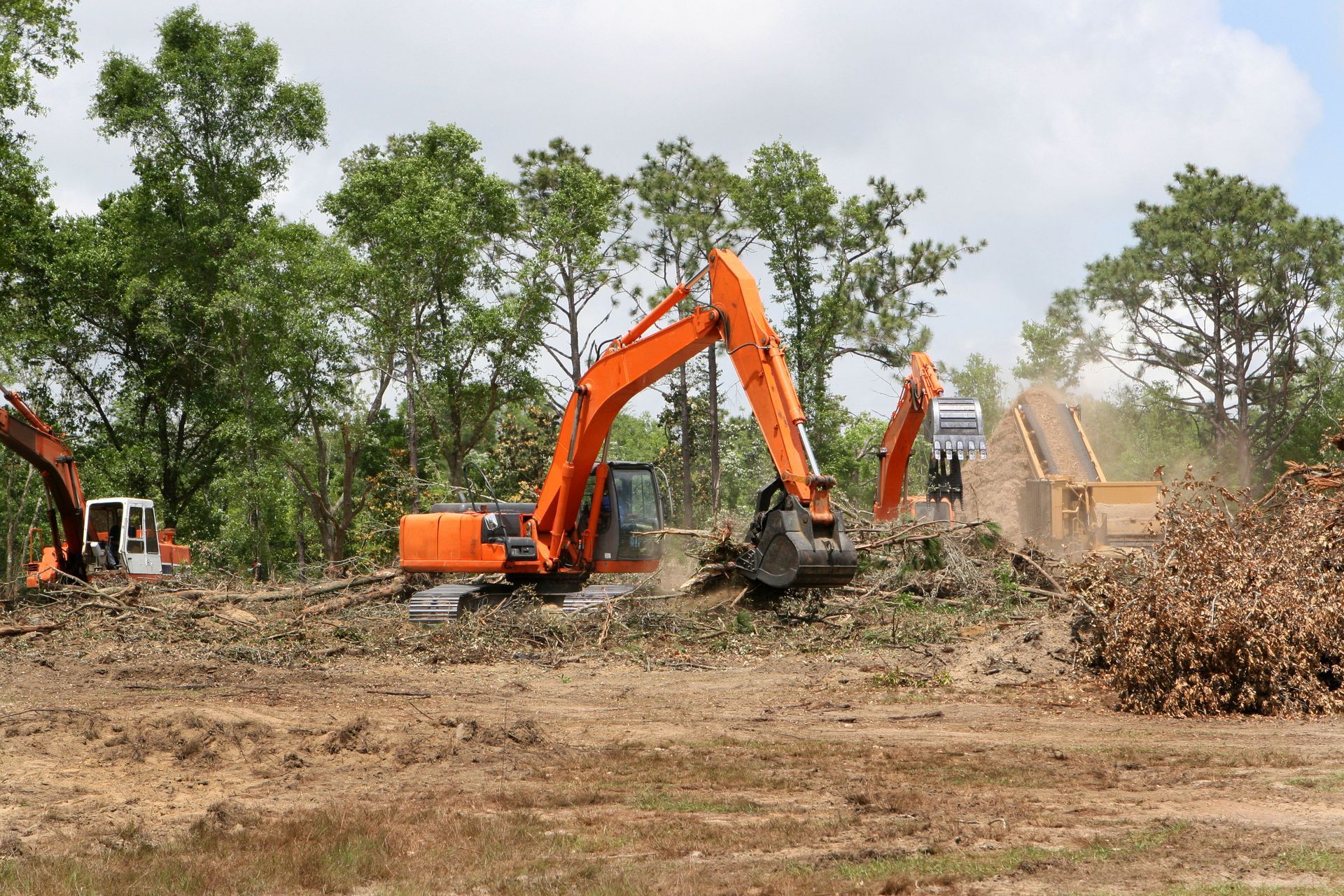
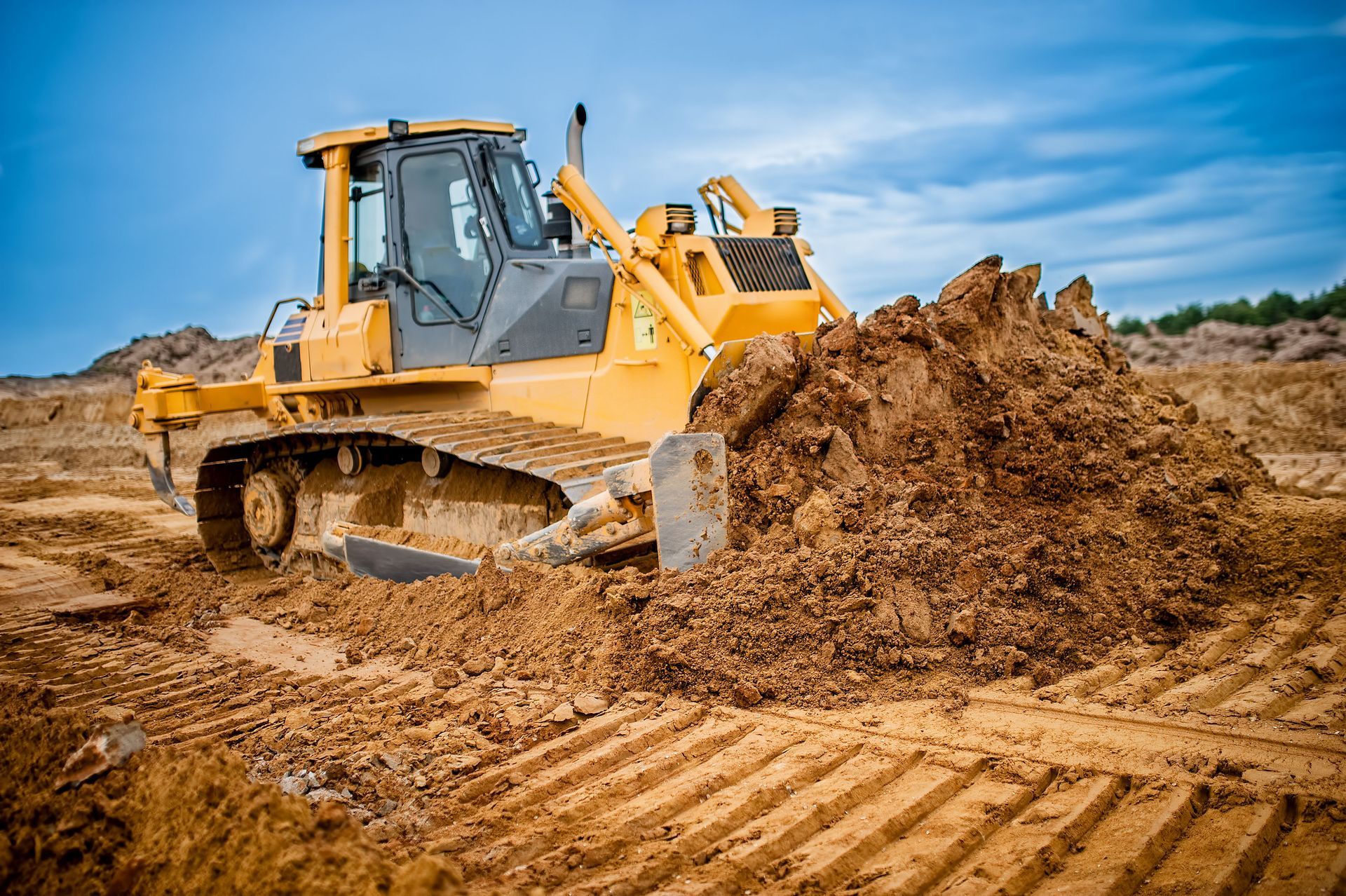
Raw land clearing and rough grading form the essential starting point for civil engineering and site development projects. Overgrown acreage containing dense timber, heavy brush, large boulders, and steep slopes must be cleared before construction crews can enter the site safely. Heavy excavators equipped with thumb attachments easily pull deep tree roots, while bulldozers push heavy debris into organized piles for removal. Leading heavy equipment companies provide the heavy-duty machinery necessary to tame wild landscapes quickly, converting raw acreage into clean, accessible parcels ready for immediate construction.
Following initial land clearing, precision grading shapes the terrain to manage natural drainage and overall site stability. Graders and excavators balance cut-and-fill zones across the parcel, using soil removed from high spots to level out low areas. Proper rough and final grading directs rainwater away from future structure footprints, preventing soil erosion, flooding, and foundation shifting down the line. Quality grading transforms sloped or uneven acreage into stable real estate optimized for long-term construction success. This careful planning helps prevent costly structural issues in the future.
5. Executing Demolition and Site Cleanup
Demolition projects require an exceptional balance of raw power, control, and site safety to tear down existing structures cleanly. Whether removing an outdated commercial facility, clearing damaged concrete slabs, or dismantling old residential structures, heavy excavators serve as the main workhorses on site. Equipped with specialized attachments like hydraulic breakers, shears, and grapple buckets, excavators crush reinforced concrete, cut structural steel, and bring down walls safely. Top-tier heavy equipment companies supply well-maintained demolition machinery that maximizes safety while minimizing project downtime during structural teardowns.
Once a building is down, site remediation and debris cleanup begin immediately. Heavy loaders scoop up tons of broken concrete, timber, and metal debris, loading them into haul trucks to clear the site efficiently. On-site crushing equipment can process concrete rubble into reusable gravel aggregate for future construction phases. Thorough site cleanup leaves the land level, clear, and ready for immediate redevelopment, demonstrating that successful demolition depends heavily on material handling and earthmoving machinery. This process prepares the land for safe future development.
6. Shaping Landscapes and Supporting Environmental Work
Landscaping and environmental restoration projects depend on specialized machinery to reshape earth, prevent soil erosion, and establish healthy vegetation across large properties. Constructing retention ponds, building retaining walls, or shaping commercial grounds requires moving large volumes of topsoil with accuracy. Mini-excavators and compact loaders operate efficiently in tight spaces, shaping precise contours without damaging surrounding property. Precise earthmoving protects existing landscapes while shaping new functional areas. Working with established heavy equipment companies gives contractors access to versatile machinery tailored for delicate environmental tasks and custom site shaping.
Environmental site work often includes specialized soil stabilization techniques, such as hydroseeding and straw blowing, to protect bare earth after excavation finishes. Hydroseeding machinery applies a nutrient-rich slurry of seed, mulch, and fertilizer over graded slopes, spurring rapid root growth and securing topsoil against heavy rain. Straw blowing equipment distributes protective straw over seeded areas to retain soil moisture and shelter young grass. These complementary site finishing services ensure land clearing and grading projects end with stable, erosion-resistant grounds.
Heavy machinery serves as the foundational engine driving modern construction, infrastructure, and environmental development forward. From preparing residential building sites and developing expansive commercial hubs to laying utility networks, clearing rough acreage, executing controlled demolitions, and installing vegetative erosion controls, specialized equipment makes ambitious projects achievable. As land development requirements become more complex, partnering with experienced machinery professionals ensures that every phase of excavation and site prep runs smoothly, safely, and on time.
Having access to the right heavy machinery and skilled operators makes all the difference in achieving long-term structural integrity and project success. Whether you require comprehensive site clearing, precision grading, utility trenching, hydroseeding, or equipment rentals, experienced heavy equipment companies bring field expertise and dependable machinery to every job site. Contact McKinney Excavating & Contracting LLC today to discuss your project requirements and learn how we can bring power, efficiency, and expert execution to your next build.
Share On: