6 Ways Excavating Prepares Land for New Construction
Excavation serves as the foundational cornerstone for building endeavors, providing raw terrain with the structural integrity necessary to support heavy developments. Earthmoving involves manipulating earth, rock, and organic debris through heavy machinery to adapt a site for specific structural demands. This initial phase guarantees immediate safety and long-term durability for any future build. Partnering with a skilled excavating business enables project managers to navigate soil dynamics, topography, and environmental regulations effortlessly. Proper ground preparation mitigates risk early on, ensuring subsequent building phases proceed efficiently without unexpected structural setbacks.
1. Analyze the Site
Before heavy equipment touches the ground, site analysis establishes the roadmap for safe earthmoving. A reliable excavating business evaluates soil composition to determine load-bearing capabilities, moisture levels, and stability. Clay-dense soils expand and contract under fluctuating moisture, whereas sandy soils require specialized containment strategies. Identifying subsurface characteristics allows contractors to select tailored digging techniques and foundation models early in development.
Evaluating site topography provides critical insight into elevation variations, slopes, and surface contours. Surveyors employ advanced topographical equipment to map terrain features accurately before earthwork commences. Adjusting these natural contours through cutting and filling helps establish a level base for construction. Careful contour assessment reduces long-term drainage complications and eliminates issues associated with uneven foundation settling.
Planning must also account for regulatory requirements and potential environmental impacts surrounding the property. Environmental reviews protect sensitive habitats, manage soil erosion, and safeguard local water resources from construction runoff. Compliance with municipal zoning laws and safety ordinances ensures necessary permits are secured before ground disturbance. Thorough planning aligns project goals with legal standards, laying a smooth operational foundation.
2. Clear the Land
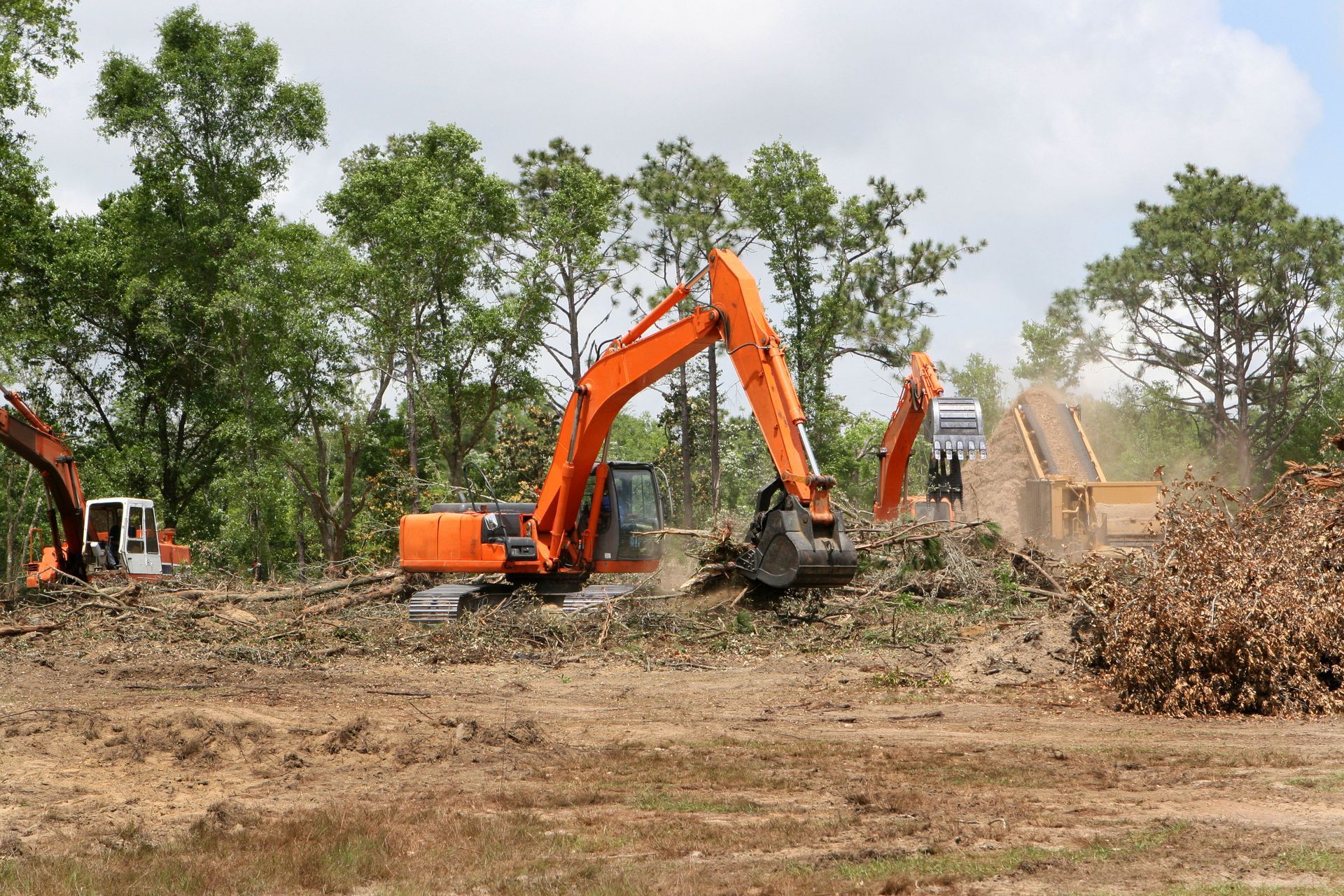
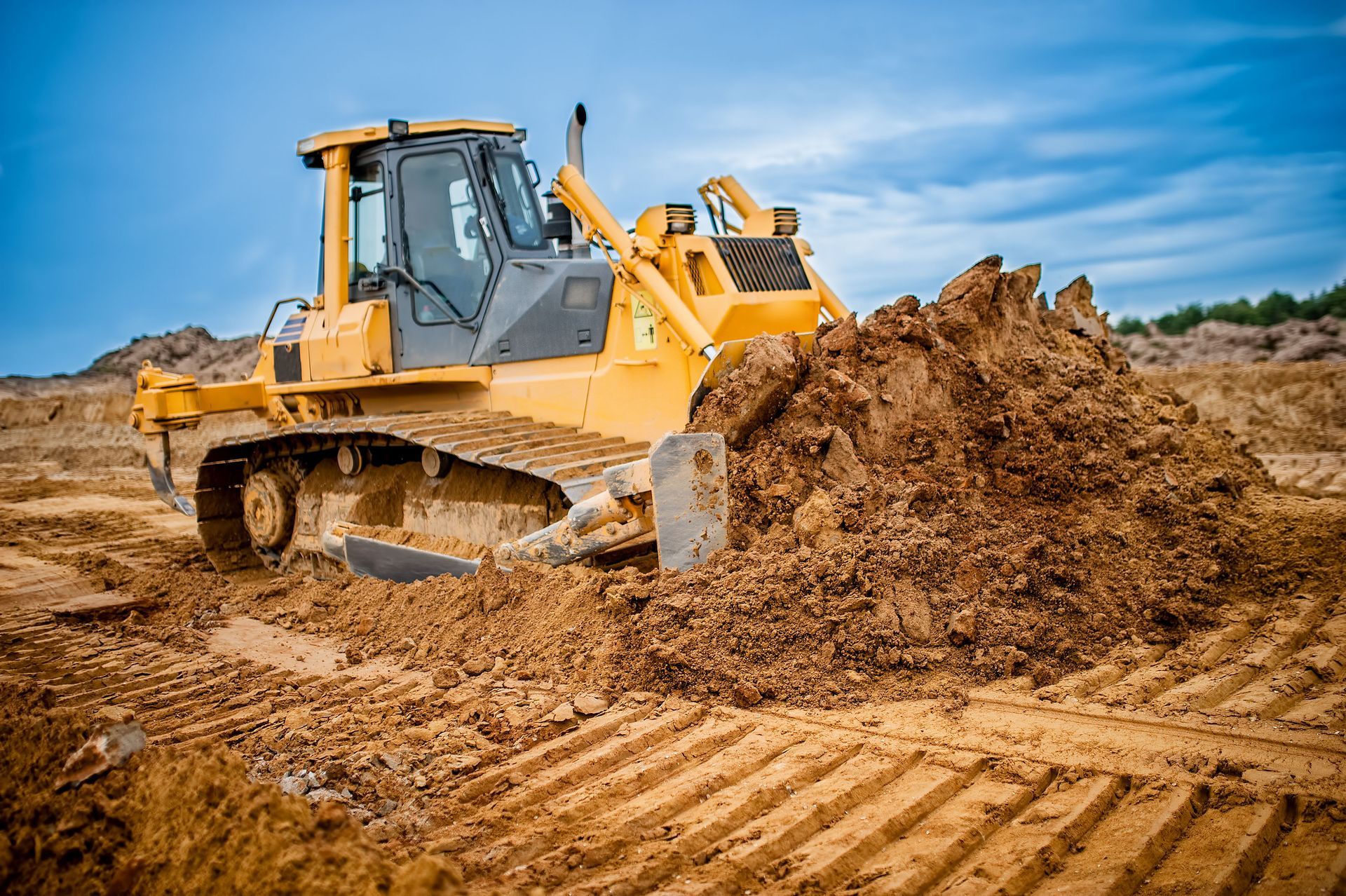
Preparing a property for development demands thorough site clearing to remove existing obstacles. A professional excavating business removes thick vegetation, trees, and dense brush to establish an accessible workspace. Systematic clearing protects neighboring properties from accidental damage while stabilizing topsoil against premature erosion. Employing heavy bulldozers and specialized machinery ensures the ground is clean and manageable for upcoming grading procedures.
Existing structures on a site must undergo controlled demolition before new foundation work can begin safely. Demolition involves dismantling legacy concrete, masonry, and framing without damaging active underground utility networks. Proper waste management protocols allow contractors to recycle salvageable materials like crushed concrete, promoting sustainable habits. Clearing structural debris ensures the land is fully prepared for primary earthmoving activities.
Controlling dust and managing surface drainage remain essential tasks during initial site preparation. Crews install temporary access roads to support heavy equipment transport, preventing deep rutting across fragile ground. Simultaneously, contractors dig temporary drainage channels, culverts, and retention basins to divert stormwater away from active work zones. Effective surface management keeps work areas dry, reduces air pollution, and protects crew safety.
3. Execute the Excavation
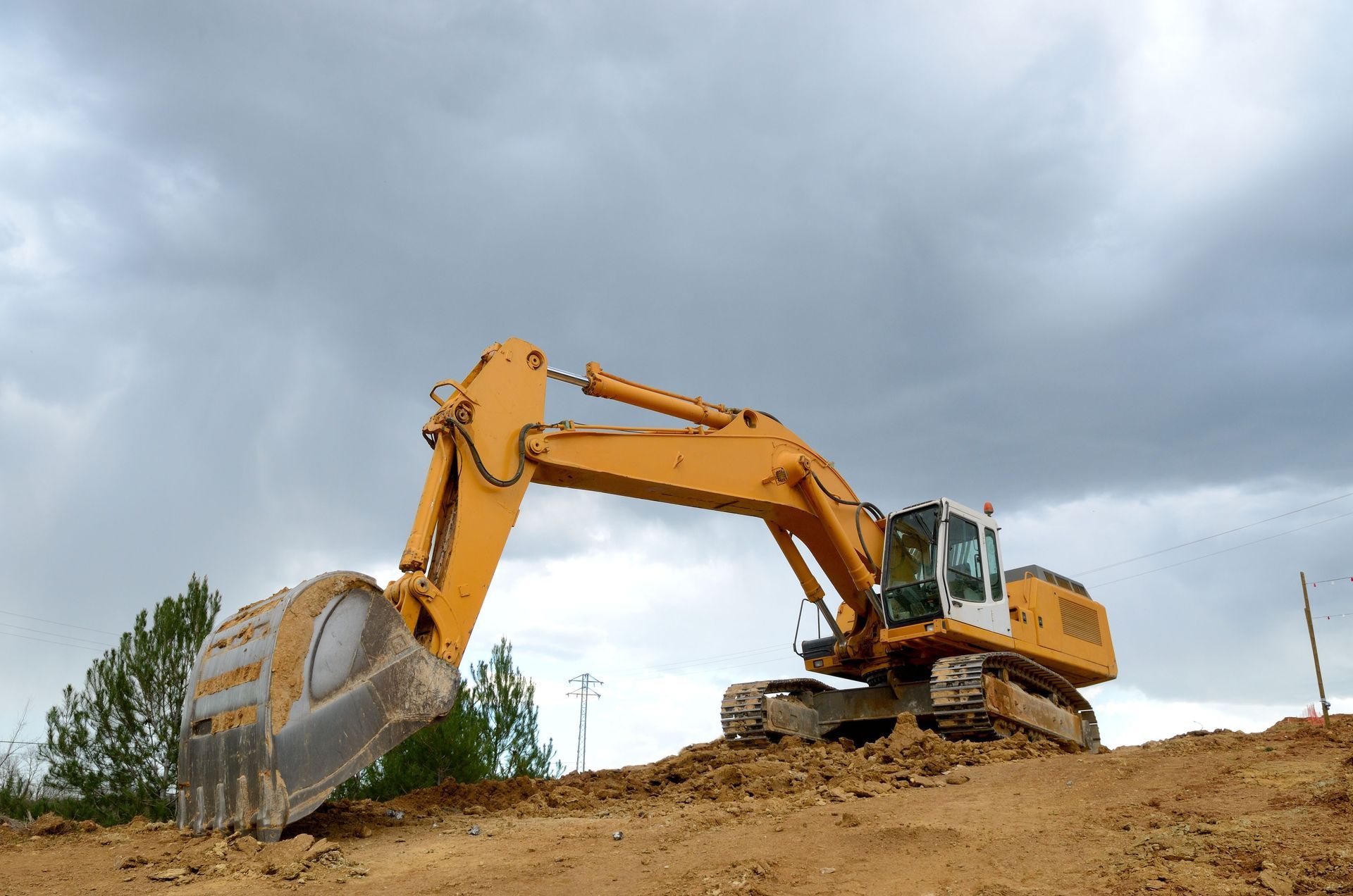
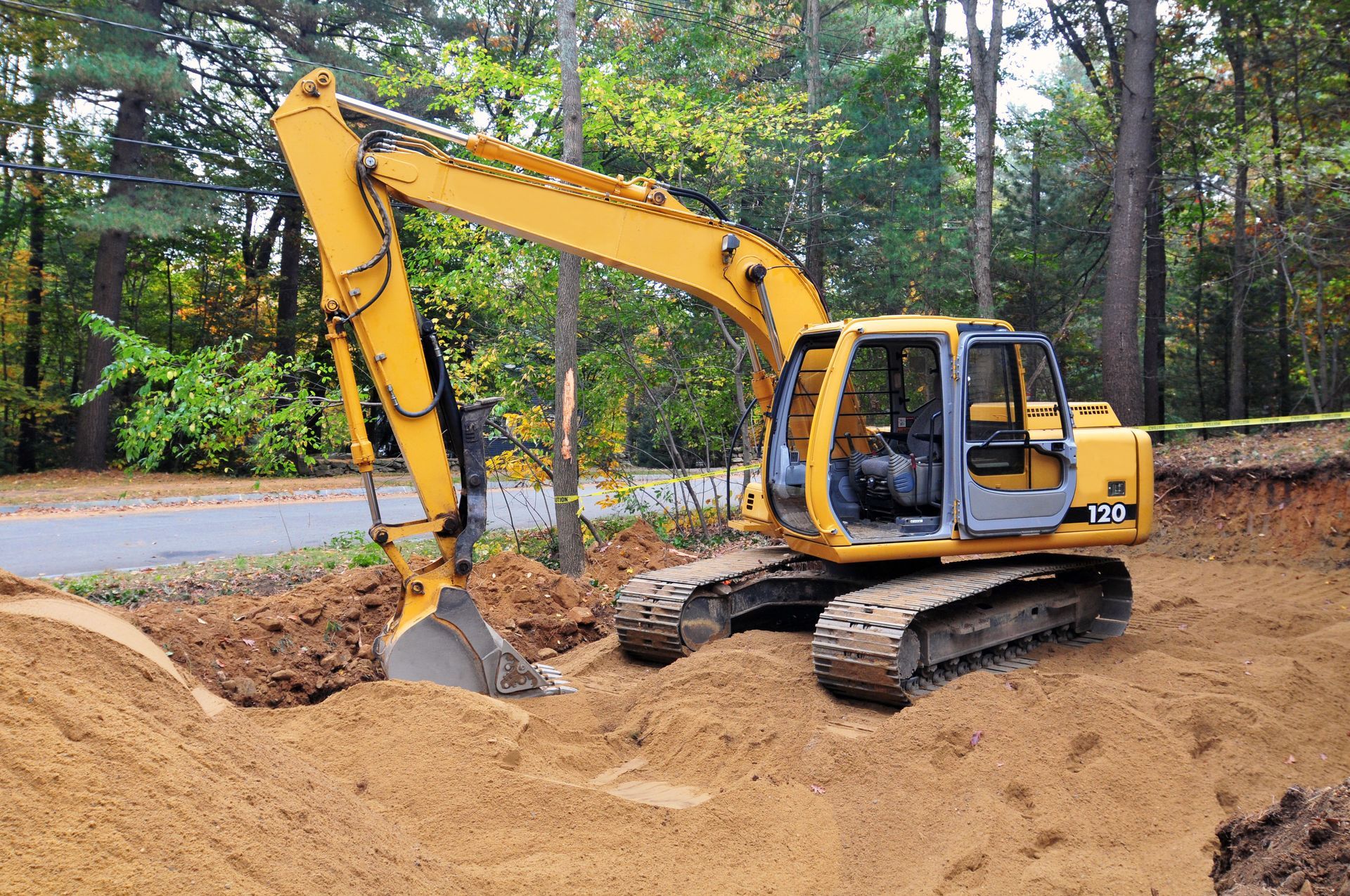
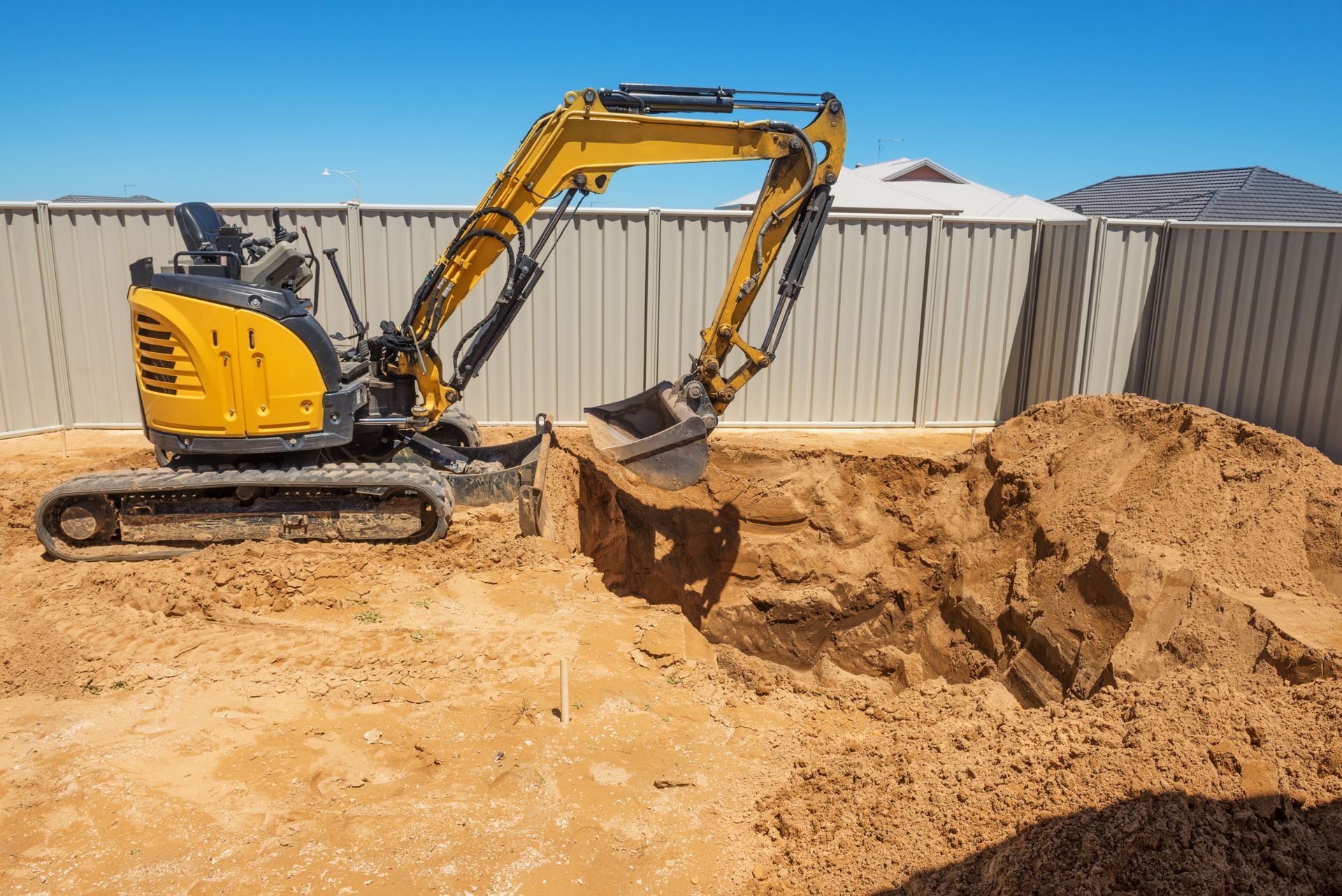
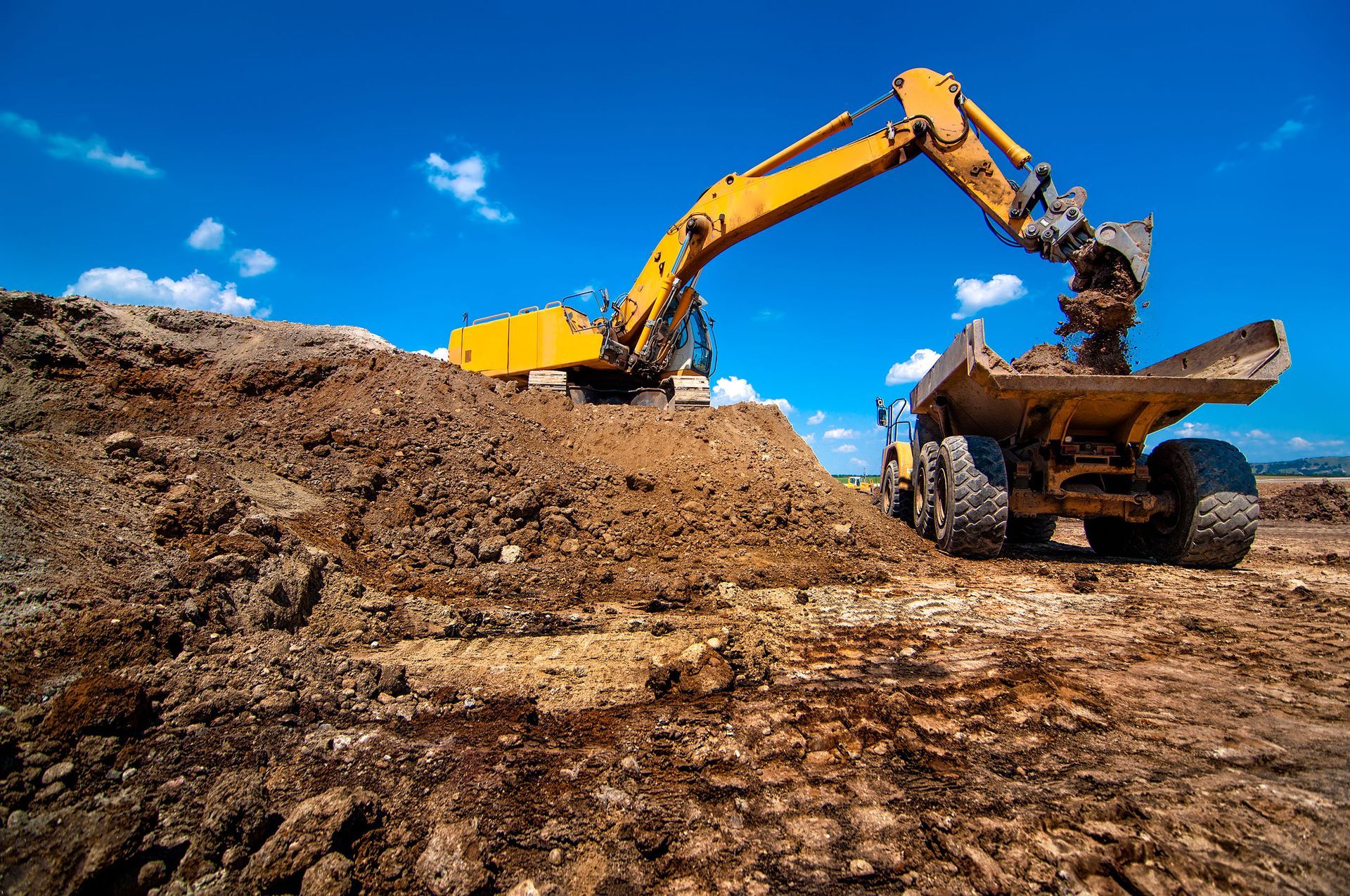
Primary earthmoving operations require specialized methods to relocate soil quantities across the building site. A full-service excavating business relies on bulk techniques such as cut-and-fill or basement digging, allowing operators to create the physical profile required by architectural engineering plans. Heavy machinery like excavators and bulldozers allows crews to move dirt with high efficiency. Bulk soil removal establishes macro-level site dimensions needed for construction.
Precision utility trenching and detailed digging refine the overall site shape for sub-surface infrastructure. Utility trenches must be dug accurately to accommodate municipal water lines, sewer networks, natural gas pipes, and electrical conduits. According to HomeGuide, minor earthmoving tasks typically require one to three days, whereas extensive projects involving dense boulders or rock shelves can take more than three weeks. Precision execution prevents utility strikes and keeps project timelines on schedule.
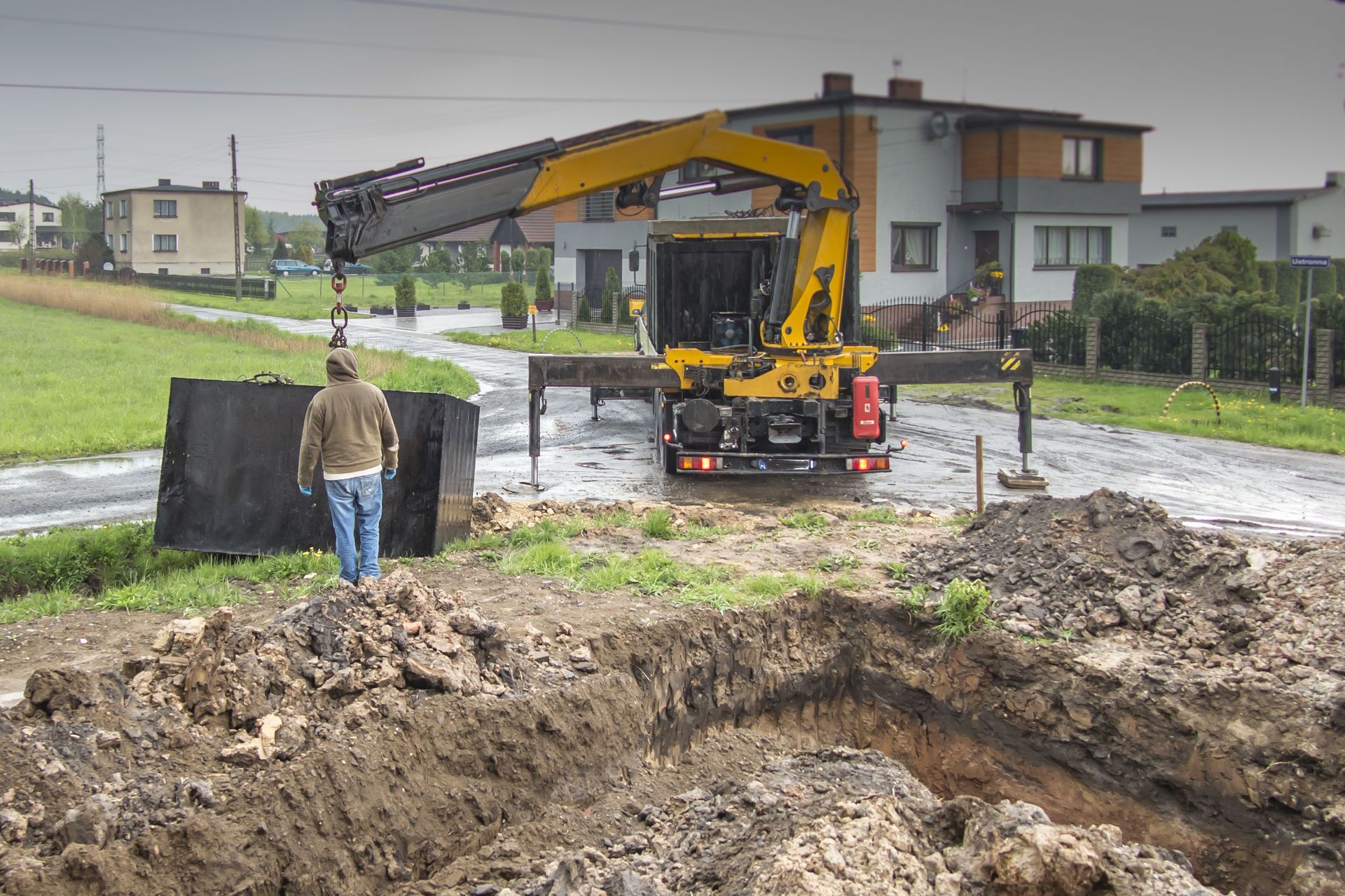
Maintaining structural stability during deep digging operations demands rigorous protective measures. Experienced crews utilize shoring systems, timber walls, and steel trench boxes to protect workers against unexpected cave-ins. When dense rock layers are encountered, specialized hydraulic hammers or rock saws break down stubborn material effectively. Prioritizing site safety and adapting to tough subterranean conditions protects workers while maintaining steady momentum.
4. Grade the Soil
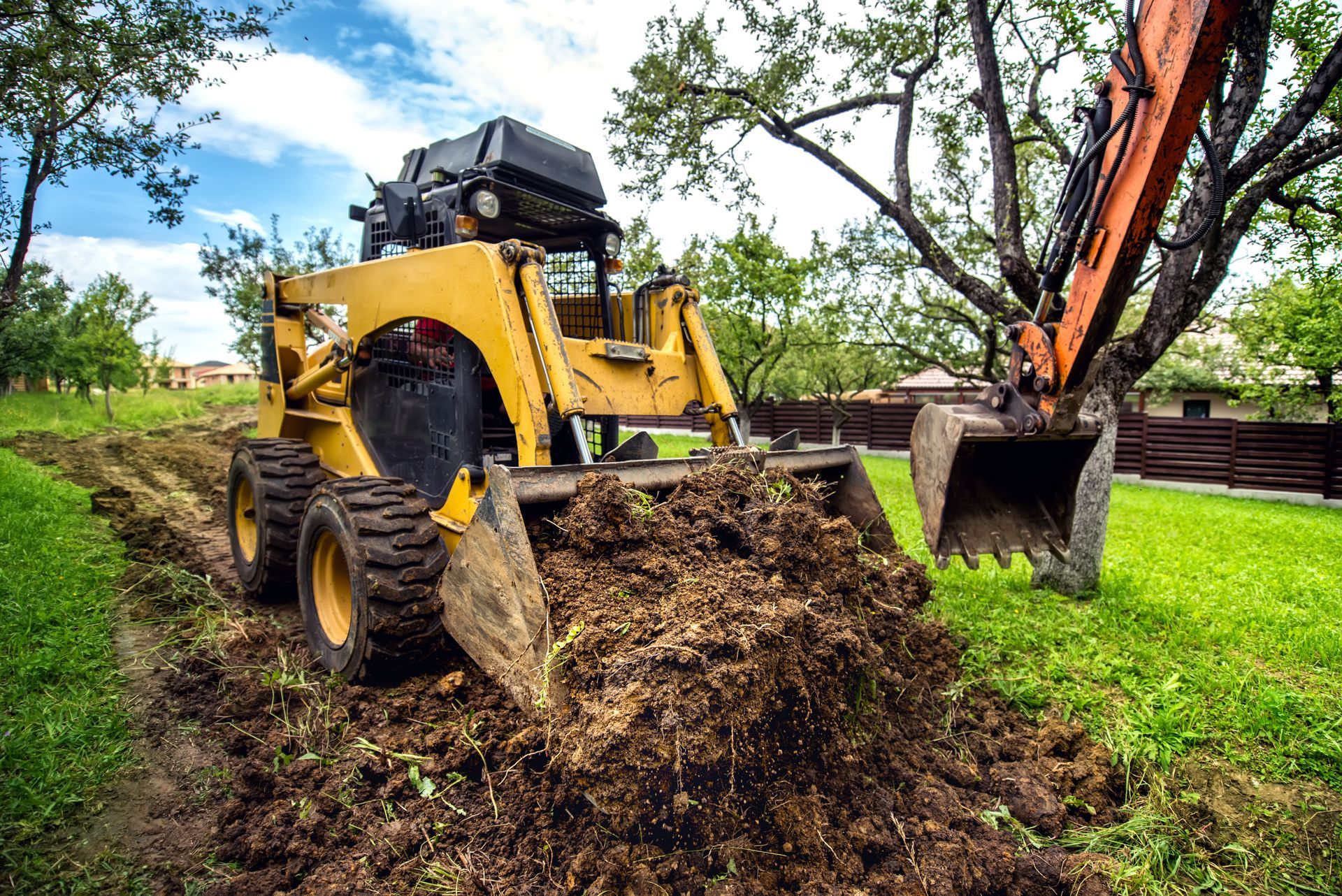
Proper land grading shapes terrain to direct water flow and create flat building pads. A dependable excavating business implements erosion control measures, including silt fences and retaining walls, to secure topsoil during grading. Managing surface runoff through swales and catch basins protects newly shaped land from heavy rains. Effective slope adjustments prevent water pooling around future structural components, ensuring long-term ground stability.
Soil compaction forms another critical element of ground stabilization, transforming loose earth into a solid platform. Heavy compaction equipment, such as padfoot rollers and vibratory compactors, compresses soil layers to achieve precise density standards. Thorough compaction minimizes future ground settling, which prevents foundation cracks and structural shifting over time. Meeting engineering compaction standards guarantees that soil can comfortably support heavy building loads.
Reinforcing load-bearing areas provides vital protection for high-stress sections of property. Contractors integrate geotextiles, shotcrete surfaces, or soil stabilization compounds to fortify ground integrity beneath heavy foundations. Aligning elevation adjustments with engineering blueprints ensures seamless compatibility across the building pad. Strategic soil reinforcement protects the project against environmental stress, safeguarding the structure for decades to come.
5. Prepare the Foundations
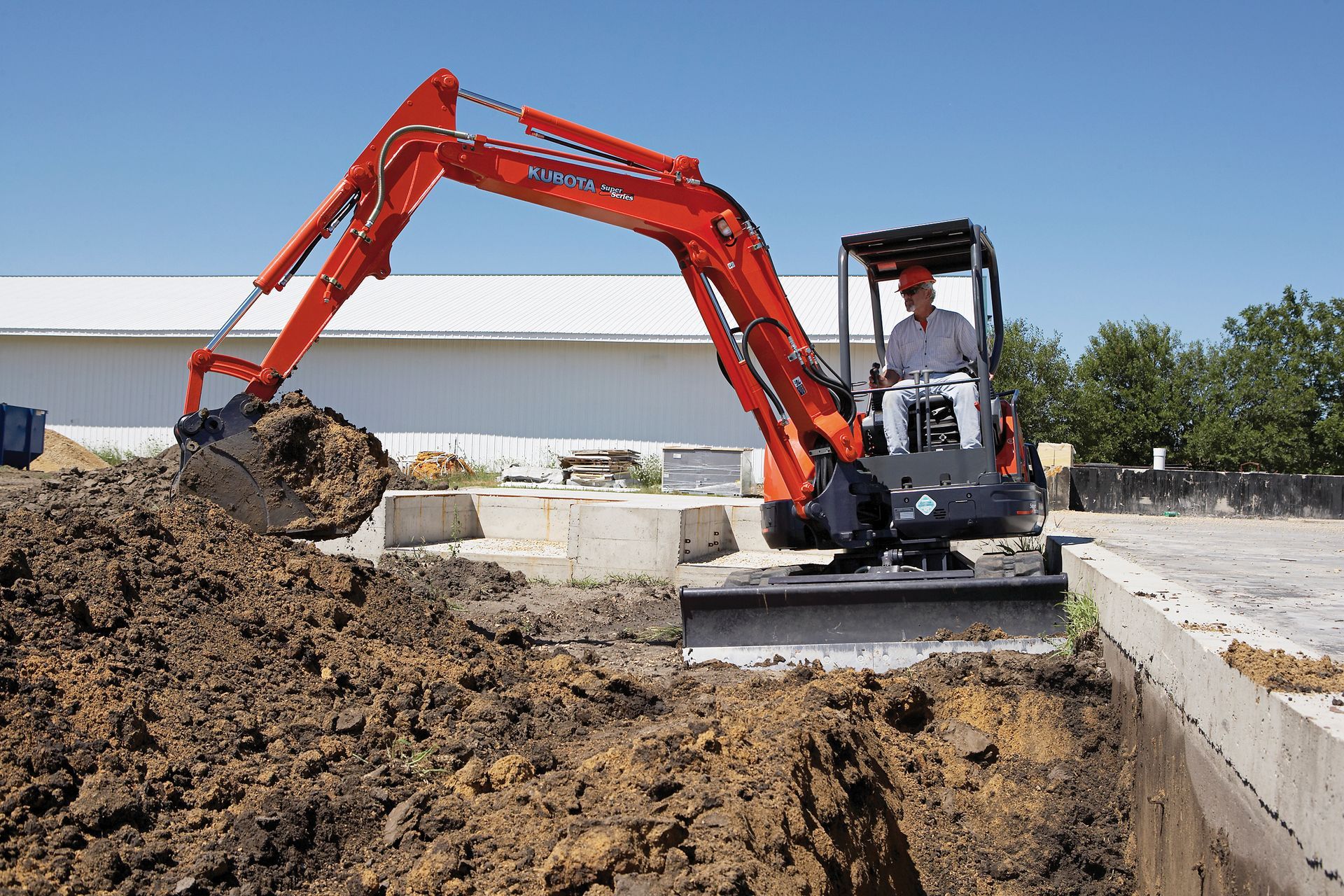
Foundation digging requires strict adherence to architectural blueprints to ensure exact depth and width parameters. A licensed excavating business carves out precise trenches for footings, basements, and crawl spaces. Precise dimensions prevent structural movement and guarantee weight distributes evenly across underlying earth. Masterful foundation excavation creates a secure cavity designed specifically for concrete pouring.
Once footings are established, crews pour high-grade concrete base materials to establish a firm structural footing. Precision mixing and carefully timed application prevent air pockets, surface cracking, and curing defects. Retaining walls are frequently installed alongside lower elevation boundaries to support varying ground heights and hold back loose soil. These reinforced concrete elements form the primary structural shield against natural ground movement.
Comprehensive waterproofing strategies protect lower structural components from moisture intrusion and decay. Teams apply specialized rubberized membranes, sealants, and perimeter drain pipes around basement walls before backfilling occurs. Proper ventilation and moisture barriers safeguard below-ground living areas against groundwater pressure. Investing in professional foundation preparation preserves interior air quality and protects structural integrity over time.
6. Inspect the Work
The final phase of site preparation centers on rigorous quality checks and engineering verifications. A qualified excavating business works alongside local inspectors to confirm that ground dimensions align with approved blueprints. Advanced laser levels and ground-penetrating radar confirm sub-surface conditions meet strict structural criteria. Thorough verification ensures every square foot of prepared ground complies with safety regulations.
Addressing minor site discrepancies during final review prevents costly construction delays during framing. Field technicians perform minor elevation tweaks and fine grading adjustments to eliminate localized unevenness. Extraction and adaptation procedures refine soil boundaries to account for unexpected site conditions discovered during initial digging. Swift recalibrations ensure subsequent building contractors inherit a flawless site layout.
Completing the project involves restoring environmental protection safeguards and finalizing site balance. Teams clean active work areas, remove temporary access routes, and reinforce permanent erosion barriers across sensitive slopes. Preserving local ecology while delivering a structurally sound site exemplifies responsible land development. Final adjustments mark the successful transition from raw earth to a prime construction-ready platform.
Proper land preparation remains an indispensable investment that dictates safety, stability, and longevity for construction projects. From initial soil testing and vegetation clearing to precision grading and final site inspections, every earthmoving phase plays a vital role in building success. By engaging an experienced excavating business, property owners protect their investments against future drainage issues, structural settling, and regulatory non-compliance. Contact McKinney Excavating & Contracting LLC today so we can bring your next construction project to life with precision and care.

Share On: