
How Excavating Contractors Tackle Tough Rocky Soil
Breaking ground on a new construction project brings many challenges, but few match the difficulty of navigating a plot plagued by underground rock formations. Solid bedrock and dense cobble layers act as natural barriers against standard digging efforts. Progress halts without specialized methods to fracture the earth. Builders facing these underground obstacles require strategic planning to ensure the site reaches the proper grade.
To solve this issue, excavating contractors employ robust machinery to clear the stubborn earth. They analyze the terrain to formulate a precise plan of attack. Moving solid stone demands immense power and calculated precision. By evaluating the specific geological composition of a site, these professionals determine the most effective approach to break apart the ground. Their work transforms impenetrable plots into workable foundations ready for structural development. The heavy equipment operators coordinate every movement to overcome the resistance of the bedrock.
Assessing the Subsurface Conditions
Before any soil moves, a thorough evaluation of the ground must occur. Site preparation begins with geological testing to identify the exact type of stone present beneath the surface. Core drilling provides physical samples of the earth, revealing the density of the rock layers. These samples dictate the entire approach to earthmoving. Without this preliminary analysis, crews might encounter unexpected solid granite, causing massive delays and severe machinery damage.
Ground-penetrating radar offers an additional critical tool for evaluating hidden hazards. The radar maps the underground landscape, highlighting where solid shelves and loose boulders reside. This non-invasive technique reveals the contours of the bedrock without moving a grain of dirt. The data helps formulate a clear picture of the underground obstacles. Crews use this map to avoid areas where the stone proves too thick for standard removal methods.
Excavating contractors use the data gathered from testing to select the proper attachments and vehicles for the task. Soft limestone shatters under different pressure than dense basalt. Understanding the geological composition allows for precise equipment selection. Matching the machine to the material reduces wear and tear on the steel components. This careful selection ensures that the earthmoving process maintains a steady pace despite the harsh environmental conditions.
Weather conditions also play a role in assessing the site and planning the dig. Saturated clay combined with loose shale creates a slippery environment for heavy vehicles. Dry conditions allow for better traction, but generate massive dust clouds during rock fracturing. By considering the environmental factors alongside the geological data, the team creates a comprehensive plan. This thorough preparation sets the stage for the physical labor to commence.
Deploying the Heavy Machinery
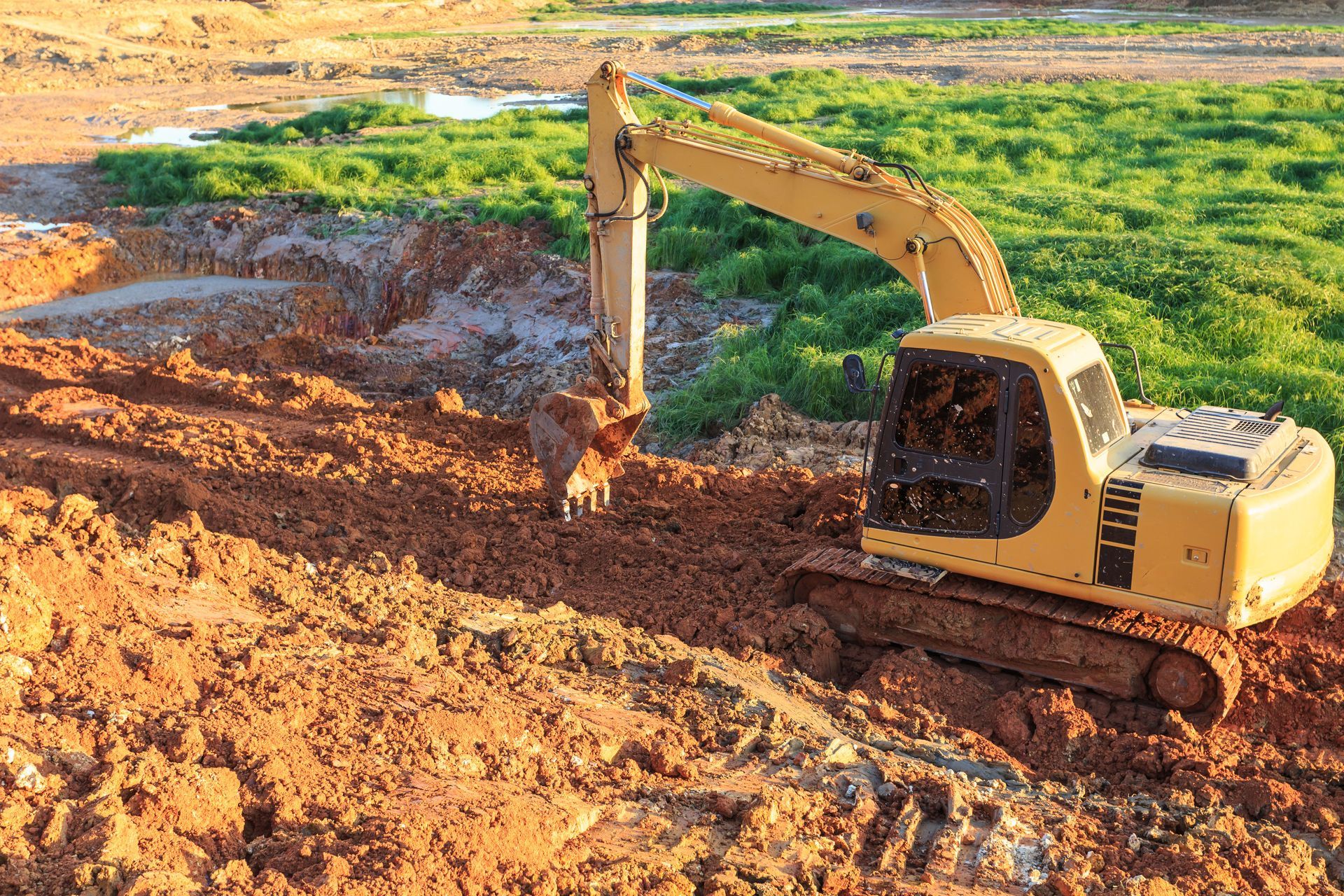
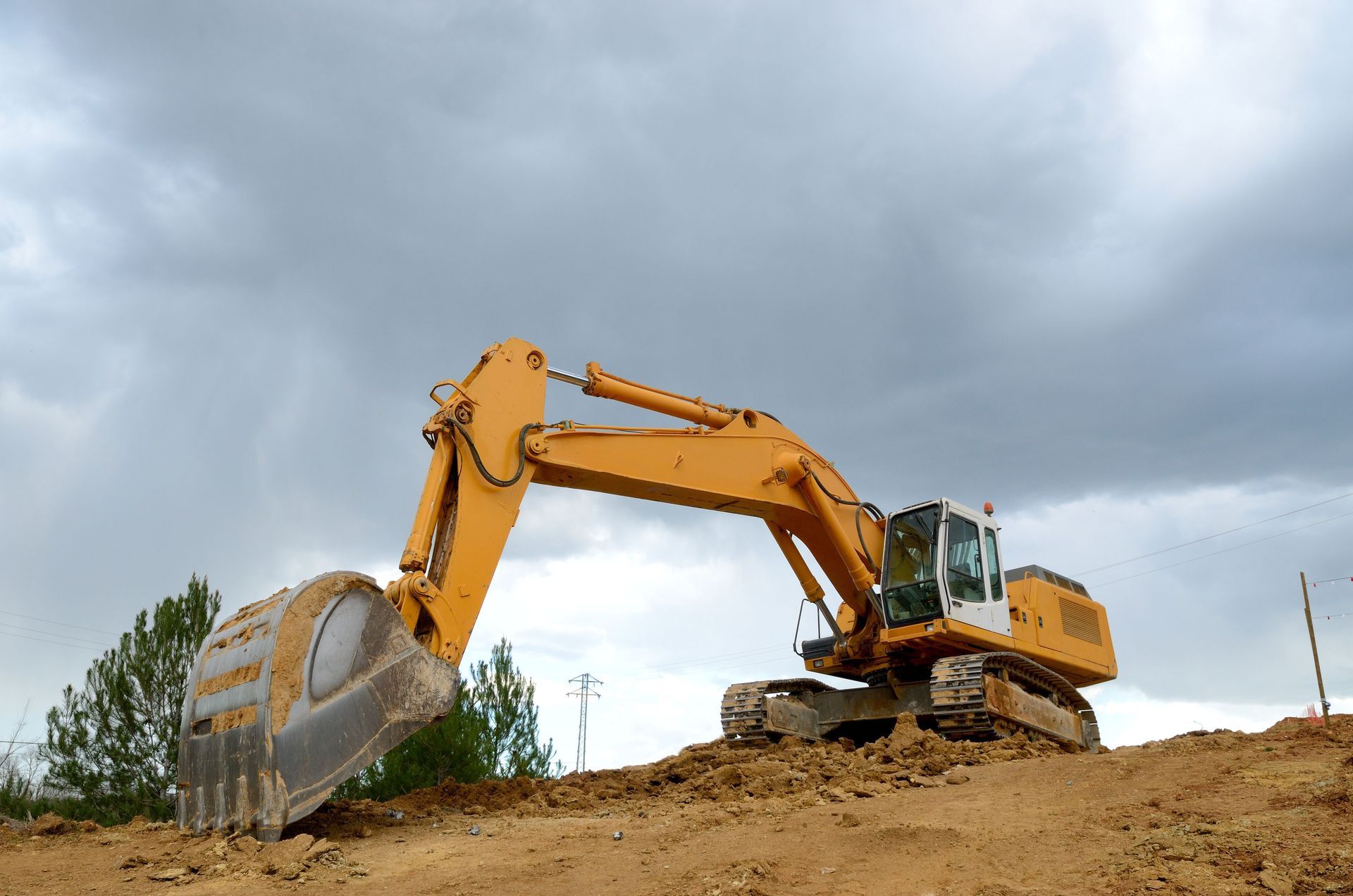
When standard buckets fail to penetrate the soil, massive hydraulic hammers become the primary weapon against the earth. These attachments secure to the excavator arm, delivering high-impact blows to the stone. The sheer force fractures the rock along its natural fault lines, breaking solid ledges into smaller pieces. The operator guides the hammer tip into the weak points of the stone, ensuring maximum fragmentation with each mechanical strike.
Rippers offer an additional mechanical solution for dense, rocky terrain. A ripper is a large steel claw mounted on a bulldozer that drags through the earth to tear the stone apart. The steel tooth cuts deep into the ground, pulling up large chunks of buried material. This method works well for layered sedimentary stone that pulls apart under horizontal strain. The tearing action loosens the soil for subsequent removal.
According to HomeGuide, it can take three weeks or longer to excavate larger sites or ground filled with rocky soil, rock shelves, and heavy boulders. This timeframe reflects the immense effort required to break apart and extract such stubborn materials. Machines must operate at their maximum capacity to fracture the dense earth. Progress moves at a crawl compared to digging through soft loam. The sheer volume of impenetrable stone dictates the slow pace.
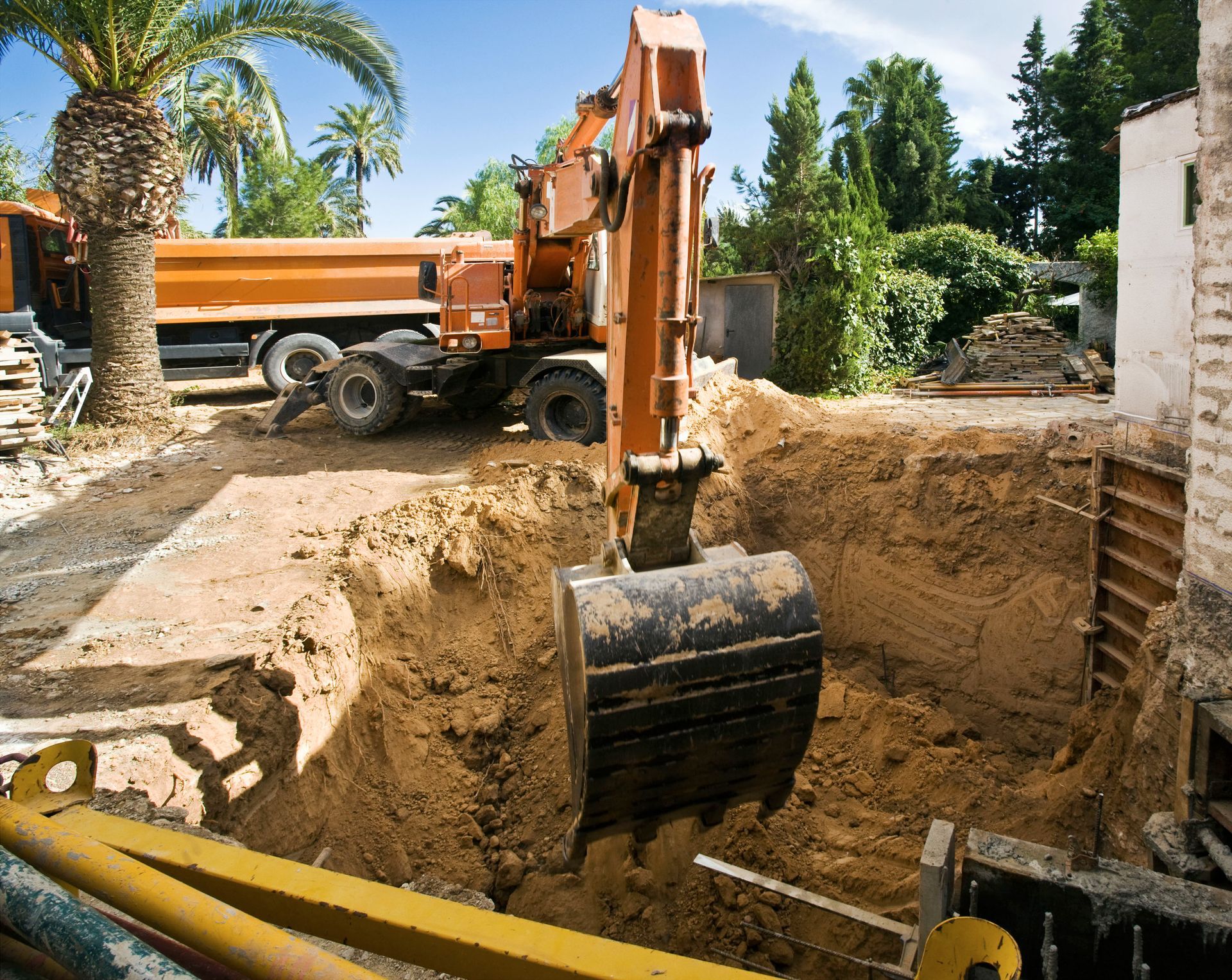
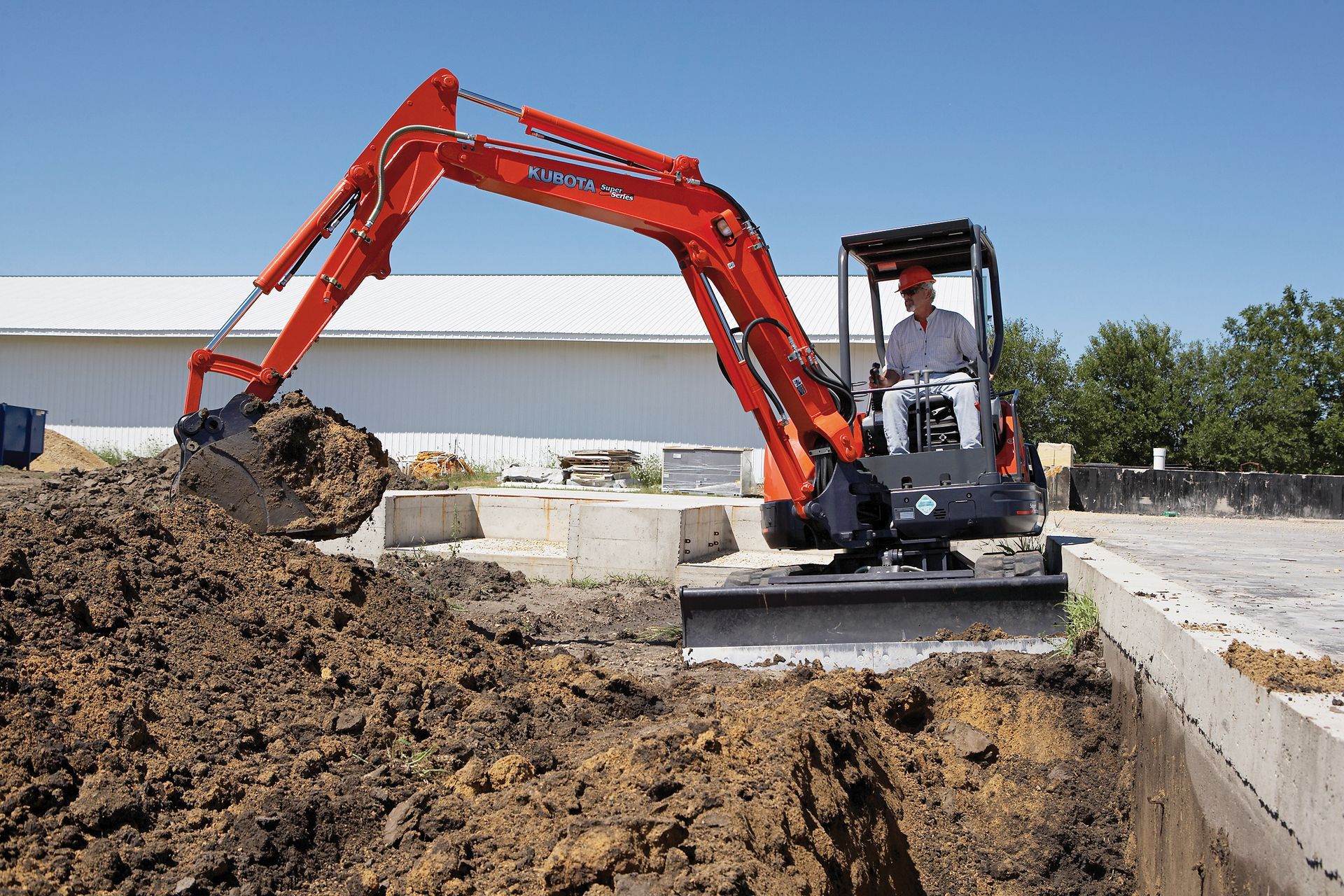
As the hammers and rippers break the solid shelves into fragments, heavy-duty buckets step in to scoop the debris. These specialized buckets feature reinforced steel and sharp teeth designed to handle jagged chunks of stone. Standard digging buckets would warp and bend under the strain of lifting solid granite. The reinforced steel withstands the abrasion, allowing the machines to clear the fractured material from the deep trench.
Utilizing the Blasting Techniques
Some bedrock proves too resilient for even the largest hydraulic hammers. In these severe cases, controlled explosives provide a viable method for breaking the earth. Drillers bore deep holes in a grid pattern across the solid stone shelf. These boreholes receive precise amounts of explosive material. The goal involves fracturing the bedrock into manageable pieces without causing excessive vibration in the surrounding residential or commercial area.
Careful calculation dictates the amount of explosive material placed in each borehole. Too much force could damage nearby structures, while too little force leaves the bedrock intact. Blast mats made of thick rubber tires cover the detonation site to contain flying debris. The detonation sequence occurs in a staggered pattern to minimize the shockwave traveling through the ground. This meticulous process fractures the stone in a safe manner.
Once the dust settles, excavating contractors inspect the fractured stone to ensure the blast achieved the desired result. The explosion should reduce the solid shelf to loose rubble. If large sections remain, additional breaking with hydraulic hammers becomes necessary. The inspection ensures the site poses no danger to the operators before heavy machinery returns to the blast zone. The fragmented stone is then ready for mechanical extraction.
Blasting operations require strict adherence to local regulations and safety protocols. Authorities mandate extensive permits before any explosives arrive at the site. Seismographs monitor the ground vibrations during the detonation to ensure compliance with structural safety limits. Communication with neighbors and local officials occurs prior to the event to maintain transparency. Following these strict rules prevents accidents and keeps the project moving forward without legal delays or unexpected fines.
Managing the Extracted Debris
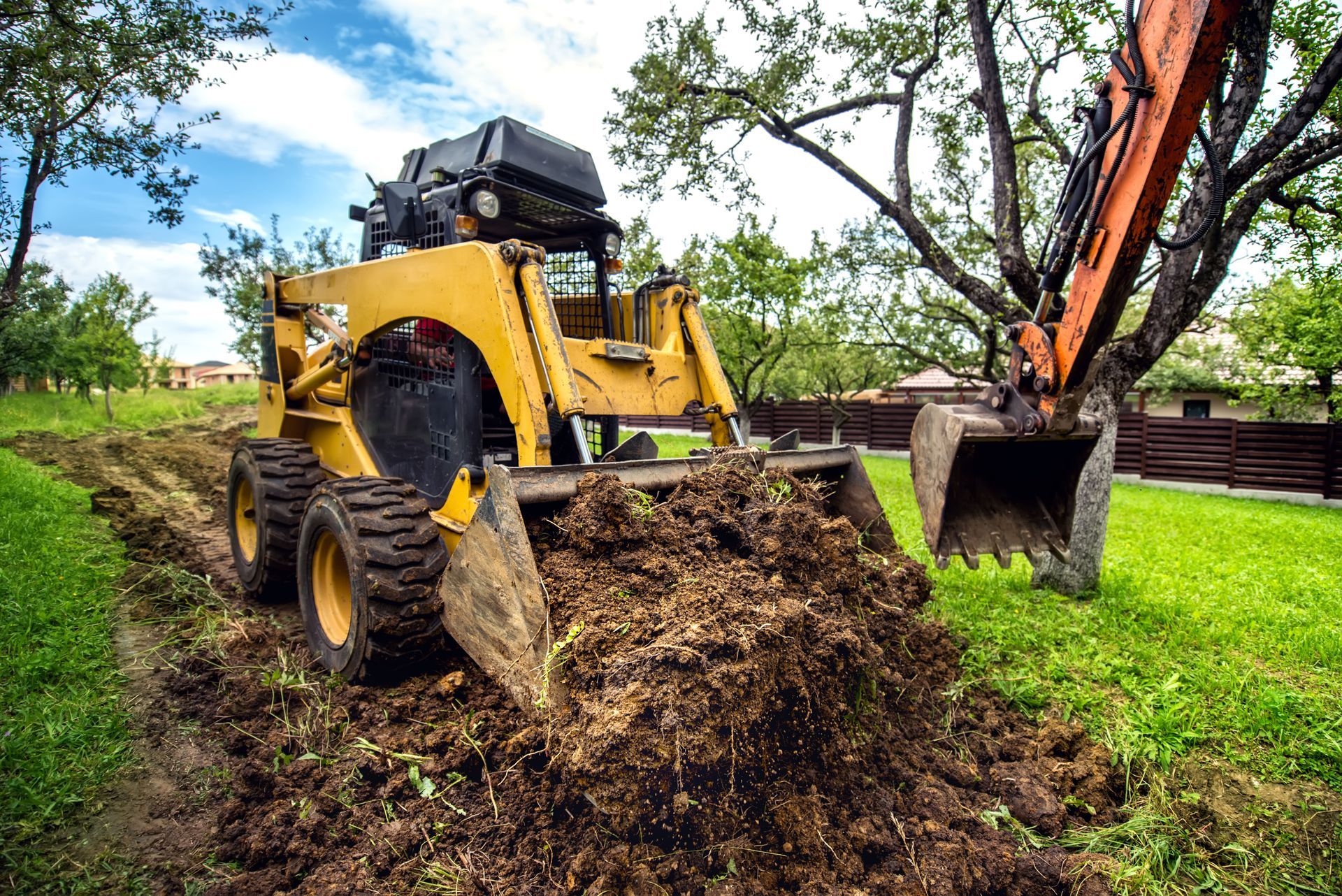
Breaking the stone is just part of the overall challenge. Removing the massive volume of fractured rock requires a fleet of articulated dump trucks. These vehicles feature reinforced beds capable of handling the impact of falling boulders. Loaders scoop the loose rubble and deposit it into the trucks for transport. Moving this heavy material off the site demands constant coordination between the digging machines and hauling teams.
Finding a destination for the extracted rock presents an additional logistical hurdle. Some broken stone finds use as structural fill on the same project site. Using the rock as a base for access roads or retaining walls reduces hauling costs. Crushing the stone on-site creates gravel for the foundation pad. Repurposing the material minimizes waste and improves the efficiency of the entire earthmoving operation for the builder.
When on-site repurposing is impossible, excavating contractors must transport the debris to designated disposal facilities. Hauling tons of stone over public roads requires heavy-duty transport vehicles and adherence to weight restrictions. The sheer mass of the rock limits the volume each truck can carry per trip. This constant cycle of loading, hauling, and returning dictates the pace of the final clearing phase for the entire construction crew.
The final grading of the site occurs after all the large rocky debris departs. Bulldozers push the remaining loose soil to create a level surface for the building foundation. The removal of the solid shelves leaves an uneven terrain requiring careful manipulation to achieve the correct elevation. Laser grading tools ensure the final surface meets the precise architectural specifications. The plot is then ready for concrete pouring.
Transforming a boulder-filled landscape into a level building pad requires immense power and strategic planning. Excavating contractors overcome these natural barriers by combining geological analysis with heavy mechanical force. From the initial core drilling to the final laser grading, every step addresses the unique challenges posed by underground stone. The process demands specialized equipment, rigorous safety protocols, and a deep understanding of complex earthmoving mechanics.
Excavating contractors utilize their specialized tools and methods to conquer the most stubborn terrain. Their work clears the path for progress, turning impenetrable barriers into functional spaces ready for new construction. If tough bedrock is standing in the way of your next construction project, reach out to us at McKinney Excavating & Contracting LLC today. We are the excavating contractors who can break through the stubborn terrain and prepare your site for a solid foundation.
Share On: